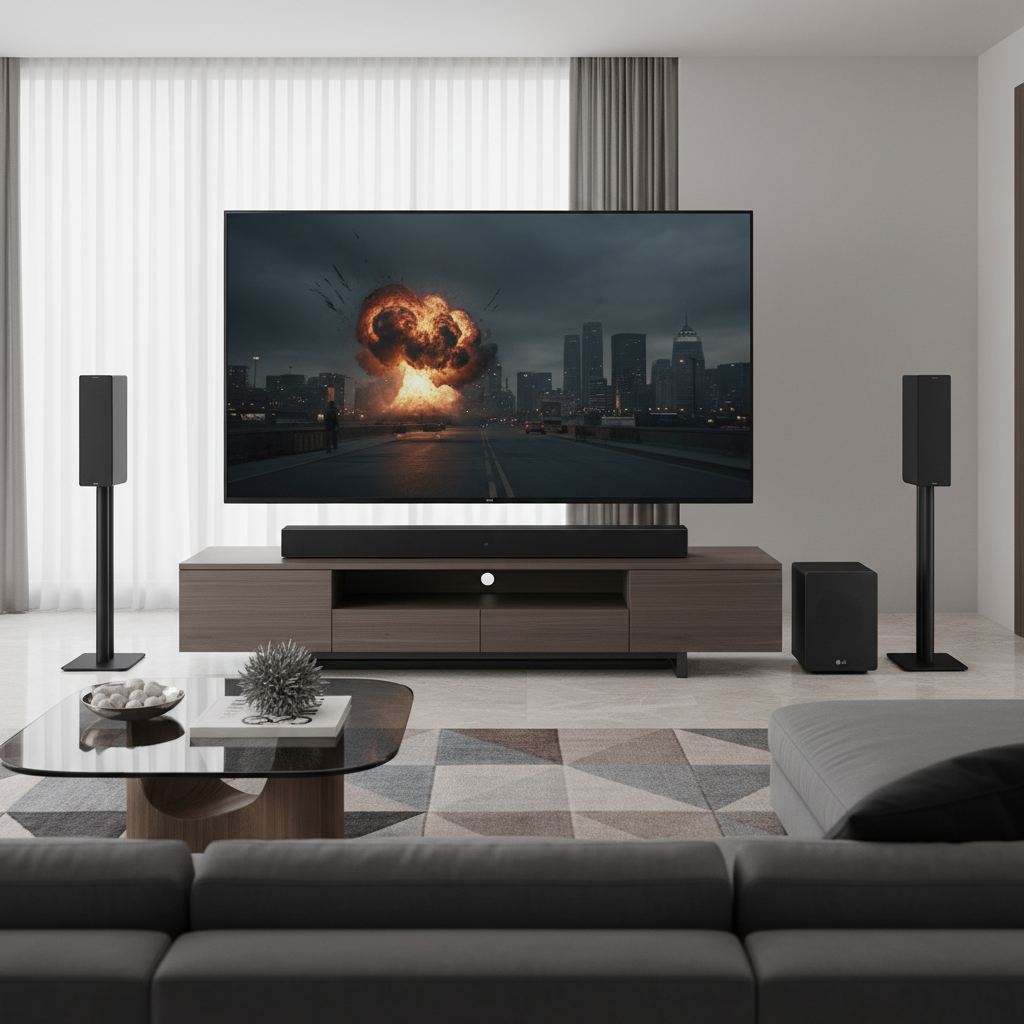
Your speakers are more than just sound emitters; they’re often a central part of your home’s aesthetic. Over time, however, speaker grille cloth can accumulate dust, pet hair, dirt, and even stubborn stains, diminishing their appearance and potentially affecting sound clarity. A neglected grille can also harbor allergens and odors, creating an uninviting environment. Knowing how to clean speaker grille cloth safely is crucial to maintaining your audio equipment’s pristine condition and ensuring a vibrant sound experience without causing damage.
Understanding Your Speaker Grille Cloth
Before diving into cleaning, it’s essential to understand why these fabric covers accumulate grime and the variations in their construction. Speaker grilles act as a protective barrier for the delicate speaker drivers underneath, meaning they are the first line of defense against dust, pet hair, and airborne particles like cigarette smoke or kitchen grease. Over time, these particles bond to the fabric fibers, creating a sticky film that attracts even more dirt, dulling the cloth’s original color and potentially trapping unpleasant odors.
Most speaker grille cloths are made from synthetic fibers like polyester, offering durability and acoustic transparency. Some older or premium speakers might feature natural fibers or blends. The material often dictates how robustly it can be cleaned. Crucially, consider how your grille is attached. Many are removable, secured by pegs, magnets, or even hook fasteners, allowing for thorough cleaning. Others might be permanently glued or stapled to a wooden frame. If the frame is wood, moisture becomes a significant concern, as it can cause warping or staining. Always check if your grille is removable and what material its frame is made of before proceeding.
Essential Tools and Preparations for Safe Cleaning
Approaching your speaker grille cleaning with the right tools and a careful mindset is key to preventing damage and achieving optimal results. Rushing this process or using inappropriate cleaners can lead to irreparable harm to the fabric or even the speaker components.
Gathering Your Supplies
To tackle most cleaning tasks, you’ll need a few common household items and gentle cleaning agents:
- Soft Brush: A clean, dry paintbrush, a soft-bristled toothbrush, or a detailing brush works wonders for dislodging loose particles.
- Microfiber Cloths: Keep several dry and one or two slightly damp for different cleaning stages. These are gentle and highly effective at capturing dust.
- Vacuum Cleaner: A handheld vacuum or a standard vacuum cleaner with a brush or crevice attachment is invaluable. Ensure it has adjustable suction settings for delicate work.
- Lint Roller or Masking Tape: Excellent for quickly picking up surface lint, pet hair, and superficial debris.
- Mild Detergent: Opt for a pH-neutral, delicate fabric detergent, or a liquid sportswear detergent if odors are a concern. Avoid harsh chemicals, bleach (unless the fabric is pure white), or ammonia-based cleaners, which can damage fibers or cause discoloration.
- Warm Water: Used for diluting detergents and rinsing. Ensure it’s not hot, especially if your grille is glued.
- Spray Bottle (Optional): Handy for applying diluted cleaning solutions evenly.
- Fine-Mesh Laundry Bag (Optional): If your grille fabric is removable and machine washable, this protects it during the wash cycle.
- Clean Towels: White towels are ideal for drying, as they won’t transfer dye.
|
Our Picks for the Best Soundbar in 2026
As an Amazon Associate I earn from qualifying purchases.
|
||
| Num | Product | Action |
|---|---|---|
| 1 | Bose TV Speaker - Soundbar for TV with Bluetooth and HDMI-ARC Connectivity, All-in-One Compact Soundbar, Includes Remote Control, Black |

|
| 2 | Sound Bar for Smart TV, Soundbar with Bluetooth/ARC/Opt/AUX Connect, Auto Volume Boost, 3 Equalizer Modes, 2 in 1 Detachable Soundbar for TV/PC/Gaming/Projectors |
|
| 3 | Sony S100F 2.0ch Soundbar with Bass Reflex Speaker, Integrated Tweeter and Bluetooth, (HTS100F), easy setup, compact, home office use with clear sound black |
|
| 4 | Samsung B-Series Soundbar HW B400F 2.0 ch Soundbar with Built in Subwoofer (2025 Model) One Remote Control, Surround Sound Expansion, Voice Enhance Mode |
|
| 5 | ULTIMEA Sound Bar with Wireless Subwoofer, 240W Peak Power, VoiceMX & BassMX, App Control, 2.1ch Soundbar for Smart TV, Adjustable Bass, HDMI, Optical, Bluetooth 6.0, Poseidon M30 (2026 Model) |
|
| 6 | ULTIMEA 2.1ch Surround Sound Bar for TV, Built-in Subwoofer, Peak Power 132W, App Control, 16 Inches Bluetooth 5.4 TV Speakers Soundbar, All-in-one PC Soundbar, Opt/AUX/Wall Mount, Poseidon M20 Pro |
|
| 7 | Sound Bar, 80W SoundBar for Smart TV, Bluetooth 5.3 Soundbars, 2 in 1 Detachable Home Speaker Bass Effect, Home Theater Surround Sound, ARC/Optical/AUX, for TV/PC/Gaming/Projectors (Deep Black) |
|
| 8 | Sonos Arc Ultra Soundbar with Dolby Atmos and Voice Control - 9.1.4 Surround Sound for TV and Music - Black |
|
| 9 | Amazon Fire TV Soundbar, 2.0 speaker with DTS Virtual:X and Dolby Audio, Bluetooth connectivity |
|
| 10 | ULTIMEA 5.1CH Surround Sound Bar with Subwoofer, Dolby Atmos, VoiceMX, BassMX, APP, 300W Soundbar for Smart TV, Home Theater Surround Sound System for TV, Bluetooth 5.4, Poseidon M60 (2026 Model) |
|
Pre-Cleaning Checks
Before any cleaning begins, take these vital precautions:
- Remove the Grille: If your speaker grilles are designed to be removed, gently detach them from the speakers. This prevents moisture or cleaning agents from reaching the delicate speaker drivers and allows for more thorough cleaning.
- Test for Colorfastness: Always apply your chosen cleaning solution to a small, inconspicuous area of the grille cloth first. Dab with a clean white cloth and check for any color transfer or adverse reactions before proceeding to the main cleaning area.
- Assess Frame Material: If your grille has a wooden frame, be extremely cautious with moisture. Wood can absorb water, swell, warp, or stain the fabric. For such grilles, favor dry cleaning methods and spot cleaning over full wet washes.
“Many types of stain can be removed using warm water with a microfiber cloth (not too wet). Never use undiluted cleaning agents, bleaching agents, ammonia or soap intended for hard surfaces, as this may damage the fabric and the speaker itself!” – Harman Kardon, Speaker Manufacturer
Step-by-Step Guide to Cleaning Speaker Grille Cloth
Cleaning speaker grille cloth typically involves a progressive approach, starting with the gentlest methods and escalating only if necessary. This minimizes the risk of damage while ensuring effective dirt and dust removal.
1. Dry Cleaning for Light Dust and Debris
For routine maintenance or grilles with only surface-level dust, dry cleaning is the safest and often most effective first step.
- Brushing Off Loose Particles: Begin by using a soft brush to gently sweep away any loose dust, crumbs, or debris. Work in a single direction to push particles off the fabric.
- Gentle Vacuuming Techniques: Attach a soft brush or crevice tool to your vacuum cleaner. Set the suction to its lowest setting. Gently glide the attachment over the grille cloth without pressing too hard or creating too much tension on the fabric, which could stretch it. This method is excellent for pulling dust from deep within the weave.
- Lint Rolling or Taping: For stubborn lint, pet hair, or light fuzz, a lint roller is highly effective. Alternatively, wrap masking tape around your hand, sticky side out, and gently dab it across the grille surface. Avoid overly aggressive sticky tapes that might leave residue.
- Using Compressed Air (with Caution): For dust trapped in very fine meshes, a can of compressed air can be helpful. Always hold the can upright and spray in short bursts from a distance, directing the air at an angle rather than straight on. This prevents pushing dirt deeper into the fabric or potentially damaging the speaker cone if the grille is not fully removed.
2. Spot Cleaning for Stains and Grime
If dry cleaning isn’t enough to remove localized dirt or minor stains, a targeted spot-cleaning approach is the next step.
- Mild Detergent Solution: Mix a tiny amount of mild, pH-neutral detergent with warm water in a spray bottle or small bowl. Dampen a clean microfiber cloth with the solution—it should be moist, not soaking wet.
- Gentle Blotting and Wiping: Lightly blot the stained area, working from the outside of the stain inwards to prevent spreading. Avoid rubbing vigorously, as this can push the stain deeper or damage the fabric fibers. Repeat with a clean section of the cloth as needed.
- Rubbing Alcohol for Tougher Stains: For oil-based stains, sticky residues, or stubborn marks, rubbing alcohol can be effective. Apply a small amount to a cotton swab or a corner of a clean microfiber cloth. Test on an inconspicuous area first. Gently blot the stain, then follow with a damp cloth and plain water to rinse any residue.
- Foaming Cleaners: Some automotive upholstery cleaners or dedicated fabric foaming cleaners can be used. Apply a small amount to a clean cloth (not directly to the grille), then gently work it into the stain with a soft brush or sponge. Wipe away the foam and residue immediately with a damp cloth. Always read product instructions and test first.
3. Deep Cleaning for Heavily Soiled Grilles (If Removable)
For grilles with widespread discoloration, embedded grime, or odors that won’t respond to spot cleaning, a full wet wash might be necessary. This method is only suitable if the grille cloth is removable and separate from any wood components.
- Hand Washing:
- Fill a clean sink or tub with lukewarm water (avoid hot water, especially if any adhesive is present) and add a small amount of mild liquid detergent.
- Submerge the grille cloth (without the frame if possible) and gently agitate the water. You can lightly scrub the fabric with a soft sponge or brush to work the detergent in.
- Rinse thoroughly under cool running water until all soap residue is gone. Rinse both sides to ensure cleanliness.
- Machine Washing (for suitable fabrics):
- If the grille fabric is made of robust synthetic material and can be fully separated from any rigid frame, place it inside a fine-mesh laundry bag.
- Select a delicate wash cycle with cold or warm water (maximum 40°C) and a low spin speed.
- Use a mild delicates detergent or a liquid sportswear detergent if odors are a concern.
- Crucially, avoid using bleach (unless the fabric is white and colorfast) and fabric softener, as softeners can leave a residue that attracts more dust over time.
4. Drying Your Speaker Grille Cloth
Proper drying is just as critical as cleaning to prevent shrinkage, stretching, or mold growth.
- Remove Excess Water: After washing, gently shake off any excess water. Do not twist or wring the fabric vigorously, as this can cause stretching or damage.
- Air Dry Flat: Lay the clean grille cloth flat on several clean, dry towels in a well-ventilated area. You can flip it periodically and replace damp towels with dry ones to expedite the process.
- Avoid Direct Heat and Sunlight: Do not place the grille in direct sunlight or use a hairdryer or other heat sources. Excessive heat can cause shrinkage, fading, or even melt synthetic fibers.
- Ensure Complete Dryness: It is paramount that the grille cloth is completely dry before reattaching it to your speakers. Any residual moisture can lead to mildew, unpleasant odors, or even damage to the speaker components over time. You can gently pull the fabric into shape while it’s still slightly damp, but avoid applying too much force.
Advanced Tips and Long-Term Maintenance
Caring for your speaker grille cloth goes beyond occasional deep cleaning. Regular maintenance and preventative measures can significantly extend its lifespan and keep your speakers looking and sounding great.
Preventative Measures
The easiest way to deal with dirt and grime is to prevent its accumulation in the first place.
- Regular Light Dusting: Make it a habit to lightly dust your speaker grilles with a soft brush or a dry microfiber cloth every week or two. This stops dust from settling deep into the fibers.
- Strategic Placement: Position your speakers away from direct sunlight, which can fade fabrics over time. Also, try to keep them out of areas prone to heavy smoke (e.g., fireplaces, tobacco smoke) or kitchen fumes, which can create a greasy film that’s hard to remove.
- Speaker Covers: If your speakers came with protective covers or you can acquire custom ones, use them when the speakers are not in use for extended periods. This provides an extra layer of defense against dust and environmental pollutants.
Dealing with Persistent Odors
Sometimes, cleaning removes visible dirt but leaves behind lingering odors, especially from smoke or dampness.
- Airing Out: Simply placing the removed grille cloth outdoors on a dry, breezy day (out of direct harsh sun) can help dissipate odors naturally.
- Sportswear Detergent: As mentioned, liquid detergents designed for sportswear are formulated to tackle odors effectively and can be used for machine or hand washing suitable grille cloths.
- Baking Soda Treatment: For grilles that cannot be wet washed, sprinkle a generous layer of dry baking soda over the fabric. Let it sit for several hours or overnight to absorb odors, then carefully vacuum it up with a brush attachment. Test on an inconspicuous area first.
When to Consider Professional Cleaning or Replacement
While DIY methods are often effective, there are instances where professional intervention or even replacement might be necessary.
- Severe Damage: If the fabric is torn, frayed, or stretched beyond repair.
- Deep-Set Stains: Some stains, particularly very old ones or those from harsh chemicals, may be impossible to remove entirely at home without risking further damage.
- Mold Infestation: Extensive mold growth, especially if it has penetrated the fabric deeply or reached the frame, may warrant professional treatment or replacement to ensure complete eradication and prevent health hazards.
- Deterioration: Over many years, fabric can simply degrade, becoming brittle or thin. In such cases, replacing the grille cloth is often the best solution for both aesthetics and protection.
Conclusion
Maintaining clean speaker grille cloth is an essential aspect of preserving your audio investment, ensuring both visual appeal and optimal sound performance. By following a gentle, step-by-step approach—starting with dry dusting, progressing to spot cleaning, and carefully executing deep washes when necessary—you can effectively tackle dust, grime, and odors. Always remember to prioritize safety with pre-cleaning checks and proper drying techniques to avoid unintended damage. With these thoughtful practices, your speaker grilles will continue to protect your drivers and enhance your listening experience for years to come. What are your go-to tips for keeping speaker grilles spotless?
Frequently Asked Questions
Can I use a regular household cleaner on my speaker grilles?
It’s generally not recommended to use harsh household cleaners, especially those containing bleach, ammonia, or strong solvents, on speaker grille cloth. These can damage the fabric, cause discoloration, or leave residues that attract more dirt. Stick to mild, pH-neutral detergents or specialized fabric cleaners, and always test on an inconspicuous area first.
How often should I clean my speaker grille cloth?
For general dusting, a light clean once every one to two weeks is ideal to prevent buildup. Spot cleaning should be done as soon as a stain occurs. A deeper wet clean might only be necessary every few months or once a year, depending on your environment (e.g., pet hair, smoking, kitchen proximity) and how dirty the grilles become.
What if my speaker grille cloth is glued on and not removable?
If your speaker grille cloth is permanently attached, avoid any wet cleaning methods that could seep into the speaker components or damage the frame. Focus exclusively on dry cleaning techniques like gentle vacuuming with a brush attachment, using a lint roller, or carefully brushing. For very light surface stains, a slightly damp (not wet) microfiber cloth with plain water might be used, but extreme caution is advised.
Will cleaning the grille affect sound quality?
Proper cleaning should not negatively impact sound quality. In fact, removing accumulated dust, dirt, and grime can improve the acoustic transparency of the grille cloth, potentially leading to clearer sound by reducing obstructions between the speaker drivers and your listening space.
How do I remove pet hair from my speaker grilles?
For pet hair, a lint roller or masking tape wrapped around your hand, sticky side out, is very effective for surface hair. For embedded pet hair, a gentle vacuum cleaner with a brush attachment or even a rubber glove lightly dampened can help gather and lift the hair from the fabric fibers.
What causes speaker grilles to get so dirty?
Speaker grilles get dirty primarily from airborne particles such as household dust, pet dander, and pollen. Other factors include smoke (cigarette, fireplace), cooking fumes, and general environmental pollutants, which can create a sticky film that traps dirt and leads to discoloration and odors.
Can I iron speaker grille cloth?
Generally, it’s best to avoid ironing speaker grille cloth. Many modern grille fabrics, especially synthetics, are designed to be wrinkle-resistant and can be gently reshaped while damp. Ironing, particularly with high heat, risks melting synthetic fibers, causing shrinkage, or leaving scorch marks. If absolutely necessary, use the lowest heat setting with a pressing cloth and test on an inconspicuous area first.