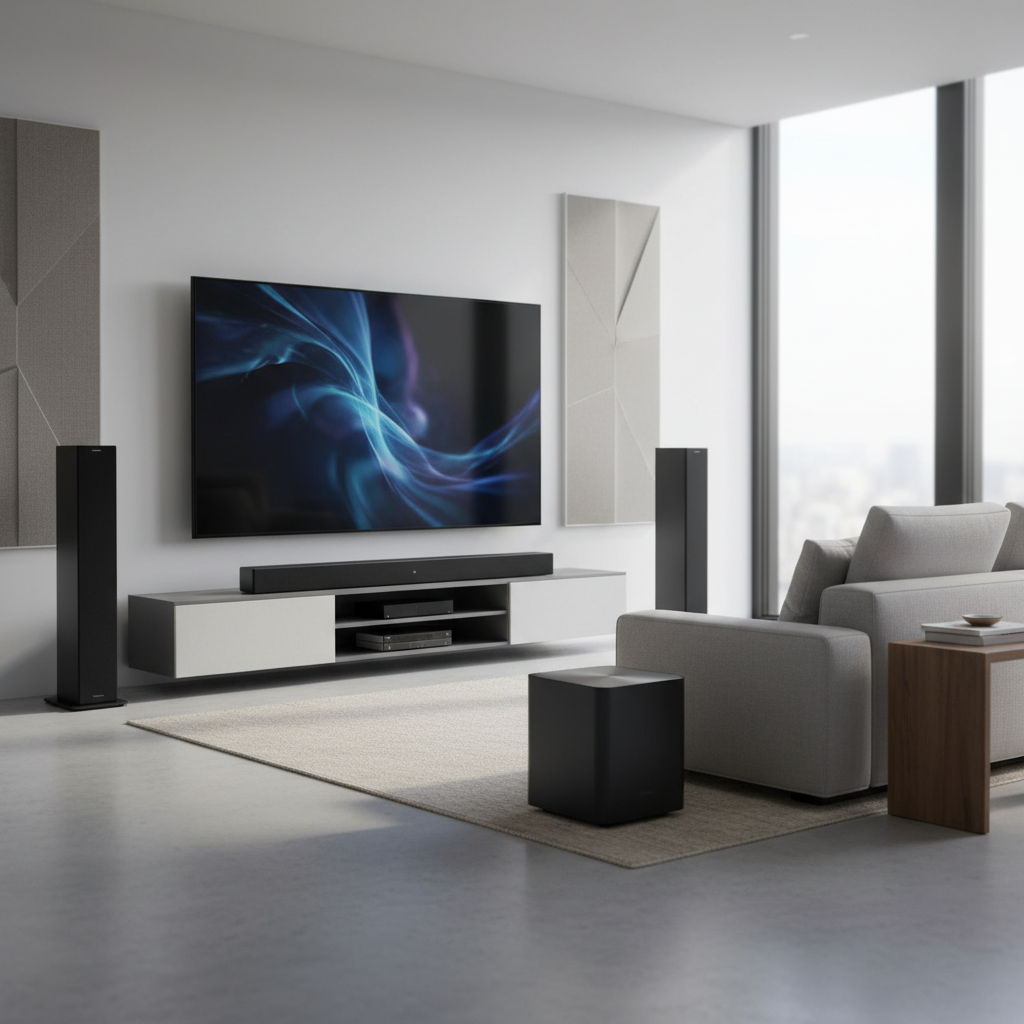
In today’s evolving home entertainment landscape, flat-screen televisions offer stunning visuals but often compromise on built-in audio quality. This is where soundbars step in, transforming your living room with rich, immersive sound that standard TV speakers simply cannot match. Yet, placing a soundbar on an entertainment center can lead to clutter, block the TV’s IR receiver, or obstruct parts of the screen. The ideal solution? High-quality wall mount brackets for soundbars, designed to seamlessly integrate your audio device into your home theater setup.
Mounting your soundbar to the wall or directly to your TV provides a sleek, organized look and ensures optimal sound projection. It frees up valuable surface space, reduces cable clutter, and can even enhance safety by securing the soundbar out of harm’s way. This comprehensive guide will explore the different types of soundbar wall mount brackets, crucial factors to consider when making your choice, and practical advice to help you select and install the perfect solution for your home.
Types of Soundbar Wall Mount Brackets
Choosing the right soundbar wall mount bracket begins with understanding the various types available and how they cater to different setups and preferences. Each design offers unique benefits and considerations for your home audio environment.
Direct Wall Mount Brackets (Fixed Position)
Direct wall mount brackets are straightforward and designed to secure your soundbar directly to a wall at a fixed angle and distance. They provide a clean, minimalist look, making your soundbar appear as an integrated part of your wall-mounted TV setup.
- Advantages: Simple design, generally lower cost, and minimal protrusion from the wall. They are ideal for installations where the soundbar will remain stationary and does not require frequent adjustments.
- Disadvantages: Lack of adjustability means you cannot alter the soundbar’s angle or position once installed, which might limit optimal sound projection if your listening area changes.
- Best Suited For: Users with a fixed viewing position and a clear understanding of their optimal soundbar placement.
|
Our Picks for the Best Soundbar in 2026
As an Amazon Associate I earn from qualifying purchases.
|
||
| Num | Product | Action |
|---|---|---|
| 1 | Samsung B-Series Soundbar HW B400F 2.0 ch Soundbar with Built in Subwoofer (2025 Model) One Remote Control, Surround Sound Expansion, Voice Enhance Mode |

|
| 2 | ULTIMEA 5.1CH Surround Sound Bar with Subwoofer, Dolby Atmos, VoiceMX, BassMX, APP, 300W Soundbar for Smart TV, Home Theater Surround Sound System for TV, Bluetooth 5.4, Poseidon M60 (2026 Model) |
|
| 3 | ULTIMEA Sound Bar with Wireless Subwoofer, 240W Peak Power, VoiceMX & BassMX, App Control, 2.1ch Soundbar for Smart TV, Adjustable Bass, HDMI, Optical, Bluetooth 6.0, Poseidon M30 (2026 Model) |
|
| 4 | Bose TV Speaker - Soundbar for TV with Bluetooth and HDMI-ARC Connectivity, All-in-One Compact Soundbar, Includes Remote Control, Black |
|
| 5 | Sound Bar, 80W SoundBar for Smart TV, Bluetooth 5.3 Soundbars, 2 in 1 Detachable Home Speaker Bass Effect, Home Theater Surround Sound, ARC/Optical/AUX, for TV/PC/Gaming/Projectors (Deep Black) |
|
| 6 | ULTIMEA 2.1ch Surround Sound Bar for TV, Built-in Subwoofer, Peak Power 132W, App Control, 16 Inches Bluetooth 5.4 TV Speakers Soundbar, All-in-one PC Soundbar, Opt/AUX/Wall Mount, Poseidon M20 Pro |
|
| 7 | Amazon Fire TV Soundbar, 2.0 speaker with DTS Virtual:X and Dolby Audio, Bluetooth connectivity |
|
| 8 | Sonos Arc Ultra Soundbar with Dolby Atmos and Voice Control - 9.1.4 Surround Sound for TV and Music - Black |
|
| 9 | Sony S100F 2.0ch Soundbar with Bass Reflex Speaker, Integrated Tweeter and Bluetooth, (HTS100F), easy setup, compact, home office use with clear sound black |
|
| 10 | Sound Bar for Smart TV, Soundbar with Bluetooth/ARC/Opt/AUX Connect, Auto Volume Boost, 3 Equalizer Modes, 2 in 1 Detachable Soundbar for TV/PC/Gaming/Projectors |
|
Adjustable Wall Mount Brackets (Tilting and Articulating)
For those seeking more flexibility, adjustable brackets offer the ability to fine-tune your soundbar’s position after installation. These come in two main variants: tilting and articulating.
Tilting/Adjustable Brackets
Tilting brackets allow for vertical angle adjustments, enabling you to direct sound precisely toward your primary listening area. This feature is particularly beneficial when your television is mounted higher than eye level, such as above a fireplace.
- Advantages: Improved sound directionality and the ability to accommodate non-ideal mounting heights. They help optimize the audio experience by ensuring sound waves reach you directly.
- Disadvantages: These brackets tend to be slightly bulkier than fixed options and may involve more moving parts, potentially leading to mechanical wear over time.
Articulating (Swivel/Extendable) Brackets
Articulating mounts are the most advanced, offering multi-axis movement, including swivel, tilt, and extension capabilities. While less common for soundbars compared to TVs, they provide maximum positioning flexibility, making them useful in irregularly shaped rooms or when the TV’s position is frequently altered.
- Advantages: Full control over speaker alignment, allowing you to optimize sound for various seating arrangements. They are ideal for dynamic home theater setups.
- Disadvantages: These mounts are typically more expensive and involve a more complex installation process. Their intricate design might also compromise stability if not properly secured, especially with heavier soundbars.
Universal vs. Model-Specific Brackets
When selecting a bracket, you’ll also encounter universal and model-specific options, each with distinct pros and cons.
- Universal Brackets: Designed to fit a wide range of soundbar sizes and brands, often featuring adjustable clamps or screw patterns.
- Pros: Cost-effective and versatile, suitable for multiple soundbar models or if you upgrade your soundbar frequently.
- Cons: Risk of a less-than-perfect fit and may lack the aesthetic integration of a custom-designed mount.
- Model-Specific Brackets: Made exclusively for certain soundbar models (e.g., Sonos Arc, Bose Smart Soundbar).
- Pros: Offer a perfect, flush fit and often include finish-matching components for a truly integrated look.
- Cons: Higher price point and limited reusability across different soundbar brands.
Wall-Mounted vs. TV-Mounted Solutions
Soundbar brackets generally come in two primary installation methods: directly to the wall or attached to your television. The choice depends heavily on your existing TV setup and desired functionality.
- Direct Wall-Mounted Soundbar Brackets: These brackets are anchored directly into your wall, typically below your television. They are an excellent choice for a minimalist aesthetic and when your TV is also wall-mounted in a fixed position. A direct wall mount ensures your soundbar has a dedicated, secure spot.
- TV-Mounted Soundbar Brackets: These innovative brackets attach to the VESA mounting holes on the back of your television. This means your soundbar moves in sync with your TV, which is particularly beneficial if your television is on a full-motion or articulating TV mount.
“A well-positioned soundbar enhances dialogue clarity and directional sound by aligning speakers directly with ear level during seated viewing.”
Factors to Consider When Choosing a Soundbar Wall Mount
Selecting the best wall mount bracket for your soundbar involves more than just picking the first one you see. Several critical factors must be carefully evaluated to ensure compatibility, optimal performance, and safety. Ignoring these aspects can lead to installation issues, compromised sound quality, or even damage to your equipment.
Soundbar Compatibility
The most crucial factor is ensuring the bracket is compatible with your specific soundbar model. Soundbars vary significantly in size, weight, and mounting interface.
- Dimensions and Weight: Always check the soundbar’s width, depth, and exact weight. Most brackets support between 5–20 lbs, but some premium models can be heavier. Choose a bracket rated for at least 25% more than your soundbar’s weight for a safety margin.
- Mounting Holes: Confirm if your soundbar has built-in mounting points or threaded inserts on its back or bottom. If it doesn’t, you’ll need a universal bracket that uses adjustable clamps or bases to cradle the soundbar.
- Proprietary Connectors: Some high-end soundbars may require specific OEM (Original Equipment Manufacturer) mounts due to unique designs or proprietary screw patterns.
Wall Type and Structure
The type of wall you plan to mount your soundbar on dictates the hardware and installation method required for a secure setup.
- Wall Studs: Mounting into wood studs offers the strongest and most reliable hold. Always use a stud finder to locate these structural elements.
- Drywall: If studs aren’t available, heavy-duty toggle bolts or drywall anchors rated for the combined weight of your soundbar and bracket are essential. Standard plastic anchors are often insufficient for sustained loads.
- Concrete or Brick: These require masonry drill bits and specialized fasteners for a secure installation.
Adjustability Needs
Consider whether you need to adjust your soundbar’s position after installation.
- Tilt: Essential if your TV is mounted high, as tilting the soundbar downwards directs sound towards your ears for better clarity.
- Swivel/Extension: Beneficial in rooms with multiple viewing angles or if you have an articulating TV mount and want the soundbar to move with the screen.
- Upward-Firing Speakers: If your soundbar features Dolby Atmos with upward-firing speakers, ensure the mount provides adequate clearance for sound to reflect off the ceiling without obstruction.
Cable Management
A clean setup isn’t just about the soundbar; it’s also about hiding unsightly cables.
- Integrated Channels or Clips: Many mounts include features to route power and audio cables neatly along the bracket or behind the TV, minimizing visibility.
- In-Wall Power Kits: For the most professional and clutter-free look, consider an in-wall power and cable management kit that allows you to conceal all wiring behind the wall.
Aesthetics and Design
The mount should complement your entertainment setup visually.
- Low-Profile Design: Opt for brackets that keep the soundbar close to the wall or TV for a seamless appearance.
- Material and Finish: Look for durable materials like cold-rolled steel or aluminum alloy. A finish that matches your soundbar or TV can enhance overall aesthetics.
Clearance for Ports and Remotes
Ensure the chosen bracket does not block any essential ports (HDMI, optical, power) on your soundbar or interfere with the infrared (IR) signal for your remote control. Some mounts offer depth adjustments to prevent such obstructions.
Top Soundbar Wall Mount Bracket Brands and Models
The market offers a wide array of soundbar wall mount brackets, but certain brands consistently stand out for their reliability, ease of installation, and robust construction. These brands focus on providing versatile solutions that cater to various soundbar models and user needs.
- Mounting Dream: Known for their universal soundbar TV mounts, Mounting Dream offers brackets like the MD5425, which can support up to 20 lbs and fit various VESA patterns. Their designs often feature adjustable bars and base holders with EVA pads to protect soundbars. Many users praise their products for being well-made and easy to install, making them a popular choice for integrating soundbars with existing TV mounts.
- USX Mount: USX Mount provides universal soundbar brackets designed for flexibility, often featuring options for mounting above or under the TV. Their products are frequently highlighted for straightforward setup and sturdy performance, accommodating many popular soundbar brands.
- Echogear: Echogear offers both direct wall mounts and TV-mounted solutions. Their universal adjustable TV soundbar mounts are praised for height and depth adjustability, supporting soundbars including Dolby Atmos-enabled speakers. Echogear also emphasizes robust construction and easy installation, with products that can mount on drywall or wood studs.
- Sanus: A well-respected name in AV mounting solutions, Sanus produces soundbar mounts that are often lauded for their quality build and thoughtful design. Their universal options frequently include tilt and swivel adjustments, offering good versatility for optimal sound positioning.
- Kanto: Kanto offers a range of soundbar mounting solutions, including fixed position brackets that prioritize a minimalist aesthetic. Their mounts are generally robust and designed for easy integration with various soundbar sizes.
These brands often design their brackets to be compatible with popular soundbar manufacturers such as Samsung, Sony, Vizio, LG, Yamaha, Bose, Sonos, and JBL. When considering a mount from these brands, always cross-reference the bracket’s specifications with your specific soundbar model to guarantee a perfect and secure fit.
Detailed Comparison Table: Soundbar Wall Mount Brackets
To help you visualize the differences, here’s a comparison of common soundbar wall mount bracket types based on key criteria:
| Mount Type | Installation Method | Key Adjustability | Typical Weight Capacity | Pros | Cons |
|---|---|---|---|---|---|
| Fixed Wall Mount | Directly to wall | None | 10-25 lbs | Simple, low-profile, cost-effective | No adjustability for sound direction, permanent wall modification |
| Tilting Wall Mount | Directly to wall | Vertical tilt | 15-30 lbs | Improves sound directionality, accommodates high TV placement | Slightly bulkier than fixed, potential for mechanical wear |
| Articulating Wall Mount | Directly to wall | Tilt, swivel, extension | 10-25 lbs | Maximum positioning flexibility, sound moves with dynamic setups | More expensive, complex installation, stability can be an issue |
| Universal TV Mount | Attaches to TV’s VESA holes | Height, depth, some tilt | 10-25 lbs | Sound moves with TV, integrated look, VESA compatible | May require temporary TV removal, can block TV ports |
| Soundbar Shelf (Wall-mounted) | Directly to wall | None (soundbar rests on shelf) | Varies by design (5-20 lbs) | Simple installation, can hold soundbars without mounting holes | Less secure than bolted brackets, may appear bulkier |
Soundbar Wall Mount Buying Guide
Choosing the ideal soundbar wall mount bracket is a decision that impacts both your room’s aesthetics and your audio experience. By following a structured approach, you can confidently select a bracket that meets your needs and enhances your home entertainment setup.
Determine Your Needs and Setup
Before diving into product listings, take stock of your existing environment and your soundbar.
- Soundbar Model: Check your soundbar’s manual or manufacturer’s website to confirm if it supports wall mounting and if it has specific mounting points or recommended accessories. Note its exact dimensions (width, depth) and weight.
- TV Setup: Is your TV wall-mounted? Is it a fixed, tilting, or full-motion mount? If your TV is on a stand, you might still prefer a wall-mounted soundbar for a cleaner look. If your TV swivels, a TV-mounted bracket is crucial for ensuring the sound follows the picture.
- Room Layout and Acoustics: Consider your primary listening position. If it’s fixed, a simple fixed or tilting mount might suffice. If you move around the room, an articulating bracket for the soundbar (if attached to an articulating TV mount) could be more beneficial. Ensure that the placement won’t obstruct upward-firing speakers if your soundbar supports Dolby Atmos.
- Aesthetic Goals: Do you desire a completely invisible setup with hidden cables, or is a visible, yet tidy, installation acceptable?
Set Your Budget
Soundbar wall mount brackets come in a wide range of prices, influenced by material quality, adjustability, and brand.
- Budget-Friendly ($10–$20): These are typically basic, fixed-position universal brackets, suitable for lightweight soundbars where adjustability isn’t a priority.
- Mid-Range ($20–$40): This segment offers tilting brackets with better materials and broader compatibility. Many users find the best balance of value and performance here.
- Premium ($40–$80+): These include model-specific mounts from soundbar manufacturers or high-end third-party options with precision fit, advanced adjustability, and superior finishes.
Avoid extremely cheap options (under $10) as they may compromise on material strength or stability. Investing a little more often translates to improved durability and easier installation.
Research and Compare
Once you have a clear idea of your needs and budget, it’s time to research specific products.
- Read Reviews: Look for verified buyer reviews that comment on ease of installation, sturdiness, and compatibility with similar soundbar models. Pay attention to common complaints, such as ill-fitting screws or lack of an installation template.
- Check Compatibility Lists: Reputable bracket manufacturers provide detailed compatibility lists. If your soundbar isn’t listed, precisely measure the distance between its mounting points and compare it with the bracket’s adjustable range.
- Material and Build Quality: Prioritize brackets made from steel or aluminum for long-term durability. Check for reinforced joints and anti-scratch pads that protect your soundbar and wall.
- Cable Management Features: If a clean look is important, seek out mounts with integrated cable channels or clips.
Purchase and Installation
Careful planning for purchase and installation will ensure a smooth process.
- Choose a Reputable Retailer: Buy from retailers with clear return policies and warranties, especially if you’re unsure about compatibility.
- Inspect Included Hardware: Ensure the kit contains all necessary screws, wall plugs, and a level. You may need to purchase specific anchors (e.g., heavy-duty toggle bolts for drywall) separately.
- Professional vs. DIY: Most soundbar mounts are designed for DIY installation and come with guides. However, if you are unsure about locating studs, dealing with specific wall types, or feel uncomfortable with drilling, it’s always wise to consult a professional installer.
- Installation Steps:
- Locate the Ideal Position: Typically centered below the TV, at or near ear level when seated. For upward-firing speakers, leave some clearance from the TV and ceiling.
- Find Studs: Use a stud finder to locate wall studs for the most secure mounting points.
- Use a Template: If provided, tape the mounting template to the wall. Ensure it’s perfectly level using a spirit level.
- Pre-Drill Holes: Drill pilot holes according to the template. Use appropriate drill bits for your wall type.
- Install Anchors: Insert drywall anchors or other fasteners if not drilling into studs.
- Attach Bracket: Secure the wall mount bracket to the wall.
- Connect Cables: Before mounting the soundbar, connect all necessary audio and power cables, routing them through any cable management features.
- Mount Soundbar: Attach your soundbar to the bracket, ensuring it’s snug and secure.
- Test: Power on your soundbar and TV, testing sound quality and remote functionality. Address any vibrations (a foam gasket between the soundbar and mount can help).
By meticulously following these steps, you can achieve a professional-looking installation that optimizes your soundbar’s performance and declutters your home theater space.
Conclusion
A thoughtfully chosen and correctly installed soundbar wall mount bracket is more than just an accessory; it’s an essential component for any modern home entertainment system. It transforms your viewing space by reducing clutter, enhancing aesthetics, and, most importantly, optimizing your audio experience. Whether you opt for a sleek fixed mount, a versatile tilting bracket, or a dynamic TV-mounted solution, prioritizing compatibility, robust build quality, and proper installation ensures long-term reliability and enjoyment. Take the time to assess your specific needs, research reliable brands, and execute the installation with care. By doing so, you’ll unlock the full potential of your soundbar, creating an immersive soundstage that truly elevates your home theater.
What kind of soundbar setup are you dreaming of creating in your home?
Câu Hỏi Thường Gặp
Can I use any soundbar wall mount bracket with my TV?
No, soundbar brackets must match your soundbar model and its mounting points, not your TV. While some attach to your TV’s VESA holes, their primary compatibility is with the soundbar itself. Always confirm dimensions, weight, and screw patterns for a secure fit.
Do all soundbars have mounting holes?
Not all soundbars are designed for wall mounting. It’s crucial to check your soundbar’s user manual or the manufacturer’s website to confirm if your model has built-in mounting threads or recommended accessories. Some universal brackets offer clamp-style solutions for soundbars without dedicated holes.
How do I know if my wall can support a mounted soundbar?
For the safest and most reliable installation, always mount into wall studs if possible. If you must use drywall without studs, employ heavy-duty toggle bolts or specialized drywall anchors that are rated for the combined weight of your soundbar and bracket, adding a safety margin.
Are universal soundbar mounts reliable?
Yes, universal soundbar mounts can be very reliable if they are well-made and correctly sized for your specific soundbar. Look for models with adjustable arms, sturdy steel construction, and positive user reviews that confirm broad compatibility and secure attachment.
Can I install a soundbar wall mount myself?
Most soundbar wall mount brackets come with all necessary hardware and clear instructions for DIY installation. However, if you are unsure about identifying wall studs, drilling into specific wall types, or feel uncomfortable with the process, consulting a professional installer is always recommended for safety and optimal placement.