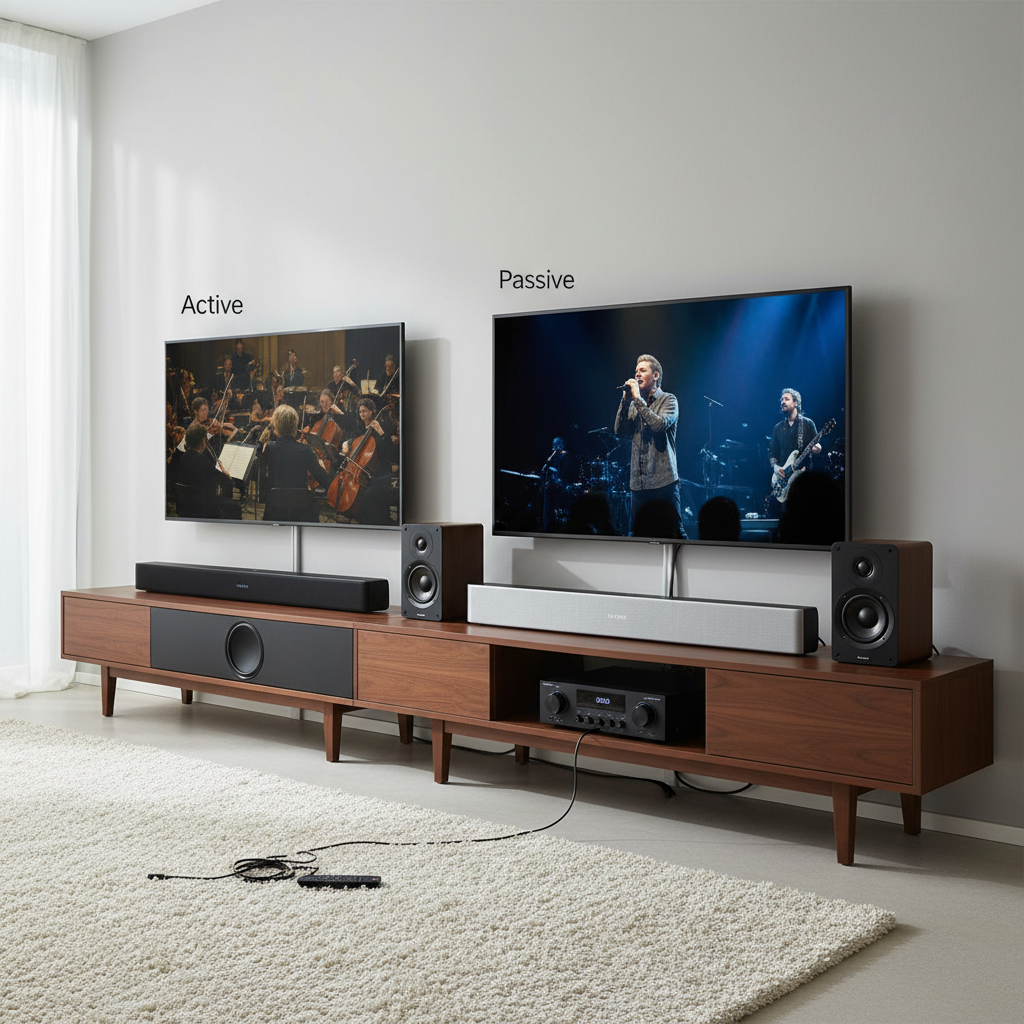
Is your TV’s built-in audio failing to deliver the immersive sound experience you crave? You’re not alone. Many modern televisions sacrifice sound quality for sleek designs, leaving viewers with flat, uninspired audio. But what if you could transform your living room into a cinematic haven with rich, detailed sound, all controlled effortlessly with your voice? This is where smart soundbars with Google Assistant come in, offering a powerful blend of superior acoustics and intelligent voice control.
These innovative devices not only drastically improve your entertainment audio but also integrate seamlessly into your smart home ecosystem, allowing you to manage music, ask questions, and control compatible smart devices with simple voice commands. Whether you’re a film fanatic, a music lover, or a gaming enthusiast, choosing the right Google Assistant soundbar can revolutionize your home entertainment. This comprehensive guide will walk you through everything you need to know to select the perfect smart soundbar to match your needs and budget.
Popular Types of Smart Soundbars
Understanding the different configurations of soundbars can help you decide which setup best suits your space and desired audio experience. Each type offers a unique balance of simplicity, performance, and expandability.
Single Soundbars with Built-in Google Assistant
|
Our Picks for the Best Soundbar in 2026
As an Amazon Associate I earn from qualifying purchases.
|
||
| Num | Product | Action |
|---|---|---|
| 1 | Amazon Fire TV Soundbar, 2.0 speaker with DTS Virtual:X and Dolby Audio, Bluetooth connectivity |

|
| 2 | Sound Bar for Smart TV, Soundbar with Bluetooth/ARC/Opt/AUX Connect, Auto Volume Boost, 3 Equalizer Modes, 2 in 1 Detachable Soundbar for TV/PC/Gaming/Projectors |
|
| 3 | Samsung B-Series Soundbar HW B400F 2.0 ch Soundbar with Built in Subwoofer (2025 Model) One Remote Control, Surround Sound Expansion, Voice Enhance Mode |
|
| 4 | Sony S100F 2.0ch Soundbar with Bass Reflex Speaker, Integrated Tweeter and Bluetooth, (HTS100F), easy setup, compact, home office use with clear sound black |
|
| 5 | Sound Bar, 80W SoundBar for Smart TV, Bluetooth 5.3 Soundbars, 2 in 1 Detachable Home Speaker Bass Effect, Home Theater Surround Sound, ARC/Optical/AUX, for TV/PC/Gaming/Projectors (Deep Black) |
|
| 6 | ULTIMEA 5.1CH Surround Sound Bar with Subwoofer, Dolby Atmos, VoiceMX, BassMX, APP, 300W Soundbar for Smart TV, Home Theater Surround Sound System for TV, Bluetooth 5.4, Poseidon M60 (2026 Model) |
|
| 7 | Bose TV Speaker - Soundbar for TV with Bluetooth and HDMI-ARC Connectivity, All-in-One Compact Soundbar, Includes Remote Control, Black |
|
| 8 | ULTIMEA 2.1ch Surround Sound Bar for TV, Built-in Subwoofer, Peak Power 132W, App Control, 16 Inches Bluetooth 5.4 TV Speakers Soundbar, All-in-one PC Soundbar, Opt/AUX/Wall Mount, Poseidon M20 Pro |
|
| 9 | ULTIMEA Sound Bar with Wireless Subwoofer, 240W Peak Power, VoiceMX & BassMX, App Control, 2.1ch Soundbar for Smart TV, Adjustable Bass, HDMI, Optical, Bluetooth 6.0, Poseidon M30 (2026 Model) |
|
| 10 | Sonos Arc Ultra Soundbar with Dolby Atmos and Voice Control - 9.1.4 Surround Sound for TV and Music - Black |
|
Single soundbars are the most streamlined option, integrating all audio components, including drivers, amplifiers, and smart assistant technology, into one compact unit. These are ideal for those seeking a significant audio upgrade without the clutter of multiple speakers. They sit neatly under your TV or can be wall-mounted, offering a clean aesthetic. While they might not provide the most expansive surround sound without additional components, many modern single soundbars use advanced virtual surround technologies to simulate a wider soundstage, making dialogue clearer and music more vibrant. Their primary appeal lies in their simplicity of setup and minimalist footprint.
Soundbars with Subwoofers (and Optional Rears)
For those who crave deeper bass and a more impactful audio experience, soundbars bundled with a wireless subwoofer are a popular choice. The subwoofer handles low-frequency effects, adding rumble to action scenes and richness to music that a single soundbar often cannot achieve on its own. Many of these systems also offer the option to add wireless rear speakers later, transforming your setup into a true multi-channel surround sound system. This modular approach allows you to start with a robust 2.1 or 3.1 system (soundbar + subwoofer, with or without a dedicated center channel) and expand to a 5.1 or even 7.1 setup over time, delivering a more enveloping and theatrical sound.
Virtual vs. True Surround Sound (2.1, 5.1, Dolby Atmos)
The world of soundbars offers both virtual and true surround sound experiences, which can significantly impact immersion.
- 2.1 Channel Systems: These typically consist of a soundbar and a subwoofer, providing enhanced stereo sound with dedicated bass. They offer a considerable upgrade over TV speakers, making audio clearer and more dynamic.
- 5.1 and 7.1 Channel Systems: True surround sound typically involves a soundbar (handling front and center channels), a subwoofer, and physical rear speakers. A 5.1 system adds two rear channels, while a 7.1 system adds two more, creating a genuinely immersive sound bubble where effects can be accurately placed around you.
- Dolby Atmos and DTS:X: These are object-based audio formats that add a crucial height dimension to the soundscape. Soundbars supporting Dolby Atmos or DTS:X often feature upward-firing speakers that bounce sound off your ceiling, creating the sensation of sounds coming from above. This virtual height effect, combined with traditional surround channels (either real or virtual), delivers a truly three-dimensional and captivating audio experience, perfect for blockbuster movies and compatible content.
Key Factors to Consider When Buying a Smart Soundbar
Choosing the best smart soundbar for your home involves more than just picking a brand. Several technical and practical considerations will guide you to the perfect device.
Sound Quality and Audio Technologies
The core purpose of a soundbar is to deliver superior audio, so scrutinizing sound quality is paramount. Look for soundbars that support advanced audio codecs like Dolby Atmos and DTS:X for truly immersive, three-dimensional sound. These technologies create a sense of height and movement, making you feel like you’re right in the action.
- Dialogue Enhancement: Crisp, clear dialogue is crucial for enjoying movies and TV shows. Many soundbars feature dedicated center channels or special processing modes to boost vocal clarity, ensuring you never miss a whispered line.
- Bass Performance: A good subwoofer or a soundbar with robust bass drivers is essential for impactful low frequencies. Deep, resonant bass adds excitement to action sequences and richness to music.
- Soundstage: A wide soundstage makes audio feel expansive, extending beyond the physical confines of the soundbar. This creates a more cinematic experience, even from a single bar.
- Frequency Response and Power Output: While not always a direct indicator of quality, a wider frequency response range (e.g., 20Hz-20kHz) generally means the soundbar can reproduce a broader spectrum of sounds. Power output (measured in watts) indicates how loud the system can get, though efficiency also plays a role.
Connectivity and Smart Features
A smart soundbar’s connectivity options dictate how easily it integrates with your existing devices and smart home ecosystem.
- HDMI eARC/ARC: This is the most important connection for modern TVs. HDMI eARC (Enhanced Audio Return Channel) allows high-bandwidth audio formats like uncompressed Dolby Atmos to be sent from your TV to the soundbar with a single cable, simplifying setup and maximizing audio fidelity. ARC (Audio Return Channel) is also common but has bandwidth limitations.
- Bluetooth: Essential for wireless music streaming from your smartphone, tablet, or computer. Look for the latest Bluetooth versions (e.g., 5.0) for stable connections and better range.
- Wi-Fi and Ethernet: Wi-Fi connectivity is crucial for accessing Google Assistant features, streaming high-resolution audio, and enabling multi-room audio systems. An Ethernet port can provide a more stable network connection.
- Chromecast Built-in: Many Google Assistant soundbars include Chromecast, allowing you to cast audio directly from compatible apps on your phone, expanding your streaming options.
- Optical/Digital Audio: A common alternative for older TVs that lack HDMI ARC/eARC.
- Multi-room Audio: Brands like Sonos excel in multi-room audio, allowing you to link your soundbar with other wireless speakers around your home for synchronized music playback.
- Google Assistant Integration: Ensure the soundbar offers seamless hands-free control. This means you can use voice commands to adjust volume, switch inputs, play music, set timers, get weather updates, and control other compatible smart home devices, even when the TV is off.
Size, Design, and Room Integration
The physical attributes of your soundbar play a significant role in its aesthetic and acoustic performance within your living space.
- Dimensions: Measure the space under your TV (or where you plan to mount it) to ensure the soundbar fits without obstructing the TV screen or IR receiver. Consider depth if placing it on a narrow stand.
- Aesthetics: Soundbars come in various designs, from minimalist black bars to more stylish fabric-covered options. Choose one that complements your home decor.
- Room Acoustics: Hard surfaces can cause sound to reflect, leading to echoes, while soft furnishings absorb sound. Some high-end soundbars feature room calibration technology (like Sonos’ TruePlay or Bose’s Adaptiq) that automatically adjusts the sound output to optimize it for your specific room’s acoustics. This can make a huge difference in sound quality.
Top Smart Soundbar Brands with Google Assistant
Several manufacturers are leading the charge in developing excellent smart soundbars with integrated Google Assistant. Here’s a look at some of the most prominent players.
Bose
Bose is renowned for its premium audio products, and their smart soundbars are no exception. They typically offer sophisticated designs, high-quality audio performance, and seamless Google Assistant integration.
- Pros: Exceptional sound clarity, often with rich bass even from compact units; premium build quality; excellent voice pickup thanks to noise-rejecting microphones; advanced room calibration technology (Adaptiq).
- Cons: Often on the higher end of the price spectrum; some models may require additional modules (subwoofer, surrounds) for a full surround experience.
- Key Models: Bose Smart Soundbar 900 and Bose Smart Ultra Soundbar. The Ultra model, for instance, boasts AI dialogue mode for unmatched vocal clarity and Dolby Atmos support with TrueSpace technology for an immersive listening experience.
Sonos
Sonos is a pioneer in wireless multi-room audio, and their smart soundbars are a cornerstone of their ecosystem. They offer impressive sound for their size and deep integration with the Sonos app and other Sonos speakers.
- Pros: Excellent sound quality for music and movies; seamless integration into the Sonos multi-room audio ecosystem; support for Dolby Atmos (on newer models); easy setup and intuitive app control; choice of Google Assistant or Amazon Alexa.
- Cons: Can be expensive, especially when adding a subwoofer and rear speakers; limited connectivity ports (often just one HDMI eARC); no Bluetooth streaming on some models (relying on Wi-Fi for all streaming).
- Key Models: Sonos Beam Gen 2 is a popular mid-range choice, praised for its compact size, clear dialogue, and effective virtual Dolby Atmos. It also features TruePlay tuning (iOS only) to calibrate sound to your room. The Sonos Arc offers an even more premium, expansive Dolby Atmos experience with more drivers and better bass.
Sennheiser
Sennheiser brings its audiophile pedigree to the soundbar market with high-end offerings that prioritize immersive sound and advanced acoustic technologies.
- Pros: Unparalleled 3D audio immersion, often leveraging their AMBEO virtualization technology to create a wide soundstage and convincing overhead effects without extra speakers; extensive customization options (graphic EQ, sound modes); robust build quality.
- Cons: Very premium price point; larger footprint for some models.
- Key Models: The Sennheiser AMBEO Soundbar Plus is a standout, delivering a room-filling 3D audio environment that can simulate a 7.1.4 setup. It offers detailed sound with precise audio placement and built-in Google Assistant for hands-free control.
Other Noteworthy Options
While Bose, Sonos, and Sennheiser lead in premium offerings, other brands provide solid Google Assistant soundbar options across different price points.
- Polk Audio: The Polk Audio Signa S3 is often highlighted as a budget-friendly option that delivers solid performance with built-in Google Assistant, making it a great entry point into smart soundbars.
- Vizio: Vizio offers a range of value-focused soundbars, such as the V-Series 5.1, which can include Google Assistant, providing a multi-channel experience without breaking the bank.
- JBL: While older, the JBL Link Bar uniquely combined a soundbar with Android TV and Google Assistant, offering an all-in-one entertainment hub.
Detailed Comparison Table
Here’s a quick overview of some top-rated smart soundbars with Google Assistant to help you compare their key features.
| Model | Channels/Config. | Dolby Atmos Support | Google Assistant | Connectivity | Price Range | Unique Features |
|---|---|---|---|---|---|---|
| Bose Smart Soundbar 900 | 5.0.2 (virtual) | Yes | Yes | HDMI eARC, Optical, Wi-Fi, Bluetooth | Premium | PhaseGuide arrays, QuietPort technology, ADAPTiQ calibration |
| Bose Smart Ultra Soundbar | 5.0.2 (virtual) | Yes | Yes | HDMI eARC, Optical, Wi-Fi, Bluetooth | Premium | AI Dialogue Mode, TrueSpace processing, ADAPTiQ calibration |
| Sonos Beam Gen 2 | 5.0 (virtual) | Yes | Yes | HDMI eARC, Wi-Fi, Ethernet | Mid-Range | Compact design, TruePlay tuning, multi-room Sonos ecosystem |
| Sonos Arc | 5.0.2 (virtual) | Yes | Yes | HDMI eARC, Wi-Fi, Ethernet | Premium | More powerful drivers, wider soundstage, multi-room Sonos ecosystem |
| Sennheiser AMBEO Soundbar Plus | 7.1.4 (virtual) | Yes | Yes | HDMI eARC, Optical, RCA, Wi-Fi, Bluetooth, Ethernet | High-End | AMBEO virtualization, deep customization, room calibration |
| Polk Audio Signa S3 | 2.1 (with sub) | No | Yes | HDMI ARC, Optical, Bluetooth | Budget | Voice Adjust technology, simple setup, wireless subwoofer |
| Vizio V-Series 5.1 | 5.1 (with sub & rears) | No | Yes (with SmartCast) | HDMI ARC, Optical, Bluetooth | Budget | Full surround setup for an affordable price, DTS Virtual:X |
Note: “Virtual” indicates simulated surround sound or height channels using digital signal processing and speaker arrays.
Your Essential Buying Guide for Google Assistant Soundbars
Navigating the market for a smart soundbar can feel overwhelming. Follow these steps to make an informed decision and find your perfect audio companion.
Assess Your Needs and Space
Before you even start looking at models, consider how you primarily use your home entertainment system and the environment it will be in.
- Primary Use:
- Movies/TV: Prioritize Dolby Atmos/DTS:X support, clear dialogue, and robust bass (consider a system with a subwoofer and optional rears).
- Music: Look for excellent stereo separation, Wi-Fi streaming capabilities for high-resolution audio, and multi-room functionality.
- Gaming: Low-latency connections and immersive surround sound are key.
- Room Size:
- Small Rooms/Apartments: Compact single soundbars like the Sonos Beam Gen 2 or Polk Signa S3 are ideal.
- Medium to Large Rooms: Consider soundbars with subwoofers, or a premium all-in-one like the Sonos Arc or Bose Smart Soundbar 900, which can fill larger spaces effectively.
- Current Setup: Do you have an older TV with limited HDMI ports, or a newer one with HDMI eARC? This will influence your connectivity requirements.
Set Your Budget
Soundbars with Google Assistant span a wide price range, from a few hundred dollars to over a thousand.
- Budget-Friendly ($150 – $350): Offers basic sound enhancement and Google Assistant. Good for smaller spaces or secondary TVs.
- Mid-Range ($350 – $700): Provides noticeable improvements in sound quality, often with virtual Dolby Atmos, better connectivity, and more robust bass.
- Premium ($700+): Delivers true audiophile-grade sound, dedicated up-firing drivers for Dolby Atmos, advanced room calibration, and extensive smart features.
Define your budget early to narrow down your options and avoid overspending on features you don’t need.
Research and Compare
Once you have a clearer idea of your needs and budget, dive into detailed research.
- Read Reviews: Consult expert reviews from reputable tech publications and read user feedback to get a balanced perspective on performance, ease of use, and potential issues.
- Watch Comparison Videos: YouTube reviews often provide valuable demonstrations of sound quality and features.
- Check Specifications: Pay attention to supported audio formats (Dolby Atmos, DTS:X), connectivity (HDMI eARC, Bluetooth version), channel configuration (2.1, 5.1), and smart assistant integration.
- Visit Stores (if possible): If you have the opportunity, listen to different models in person. While store environments are imperfect, they can give you a general sense of sound quality and output.
Purchase and Setup Tips
You’ve done your homework, now it’s time to buy and enjoy!
- Choose a Reputable Retailer: Purchase from authorized dealers to ensure you get genuine products and valid warranties.
- Consider Bundles: Sometimes retailers offer bundles with a soundbar and subwoofer or rear speakers at a discounted price.
- Simple Setup: Most modern soundbars with HDMI eARC offer plug-and-play simplicity. Connect the soundbar to your TV’s eARC port, plug it in, and follow the on-screen or app instructions to connect to Wi-Fi and set up Google Assistant.
- Room Calibration: If your soundbar has room calibration (like Bose Adaptiq or Sonos TruePlay), make sure to run it. This will optimize the sound for your specific room, making a significant difference.
- Placement: For optimal performance, place the soundbar centrally below your TV. If it has upward-firing speakers for Dolby Atmos, ensure nothing obstructs the top of the bar.
Conclusion
Choosing the best smart soundbar with Google Assistant is a fantastic way to upgrade your home entertainment, combining cinematic audio with the convenience of voice control. From the immersive Dolby Atmos experiences offered by premium models like the Bose Smart Ultra and Sennheiser AMBEO Soundbar Plus to the versatile multi-room capabilities of Sonos, there’s a perfect soundbar out there for every home and budget. By carefully considering your needs, understanding key features, and researching thoroughly, you can transform your listening experience.
Isn’t it time to let your voice command the ultimate sound experience?
Frequently Asked Questions
What are the main benefits of a soundbar with Google Assistant?
A Google Assistant soundbar not only enhances your TV’s audio dramatically but also integrates hands-free control for music, smart home devices, and general queries. You can play songs, adjust volume, check the weather, or control smart lights using just your voice, even when your TV is off.
Can I use a Google Assistant soundbar without a smart TV?
Yes, you can. While a smart TV maximizes the integration, many Google Assistant soundbars connect via HDMI ARC/eARC or optical to any TV. The Google Assistant functionality operates independently via Wi-Fi, allowing you to use voice commands for music streaming and smart home control without the TV being on or smart.
Do all smart soundbars support Dolby Atmos?
No, not all smart soundbars support Dolby Atmos. While it’s a popular feature in mid-range to high-end models, many entry-level soundbars do not include this technology. Always check the product specifications if Dolby Atmos is a priority for your immersive audio experience.
Can I add a separate subwoofer or rear speakers to my Google Assistant soundbar?
Many soundbars, especially from brands like Bose and Sonos, are designed to be expandable. You can often purchase wireless subwoofers and rear speakers separately to create a more complete and immersive surround sound system, enhancing bass and true spatial audio effects.
What’s the difference between HDMI ARC and eARC?
HDMI ARC (Audio Return Channel) allows audio to travel both ways through a single HDMI cable, simplifying connections. HDMI eARC (Enhanced Audio Return Channel) is a newer standard with higher bandwidth, enabling the transmission of uncompressed, high-bitrate audio formats like Dolby Atmos (TrueHD) directly from your TV to the soundbar, which ARC typically cannot handle.
How does room calibration work on smart soundbars?
Room calibration technology uses built-in microphones (or sometimes an external microphone via an app) to analyze how sound reflects off the walls and objects in your room. It then automatically adjusts the soundbar’s audio output—such as equalization, channel levels, and delays—to optimize the sound for your specific acoustic environment, ensuring the best possible listening experience.
Can I turn off the Google Assistant microphone on my soundbar?
Yes, most smart soundbars with built-in voice assistants include a physical button to turn off the microphone, providing privacy when you don’t want the assistant listening for commands. The soundbar’s other audio functionalities will remain active.