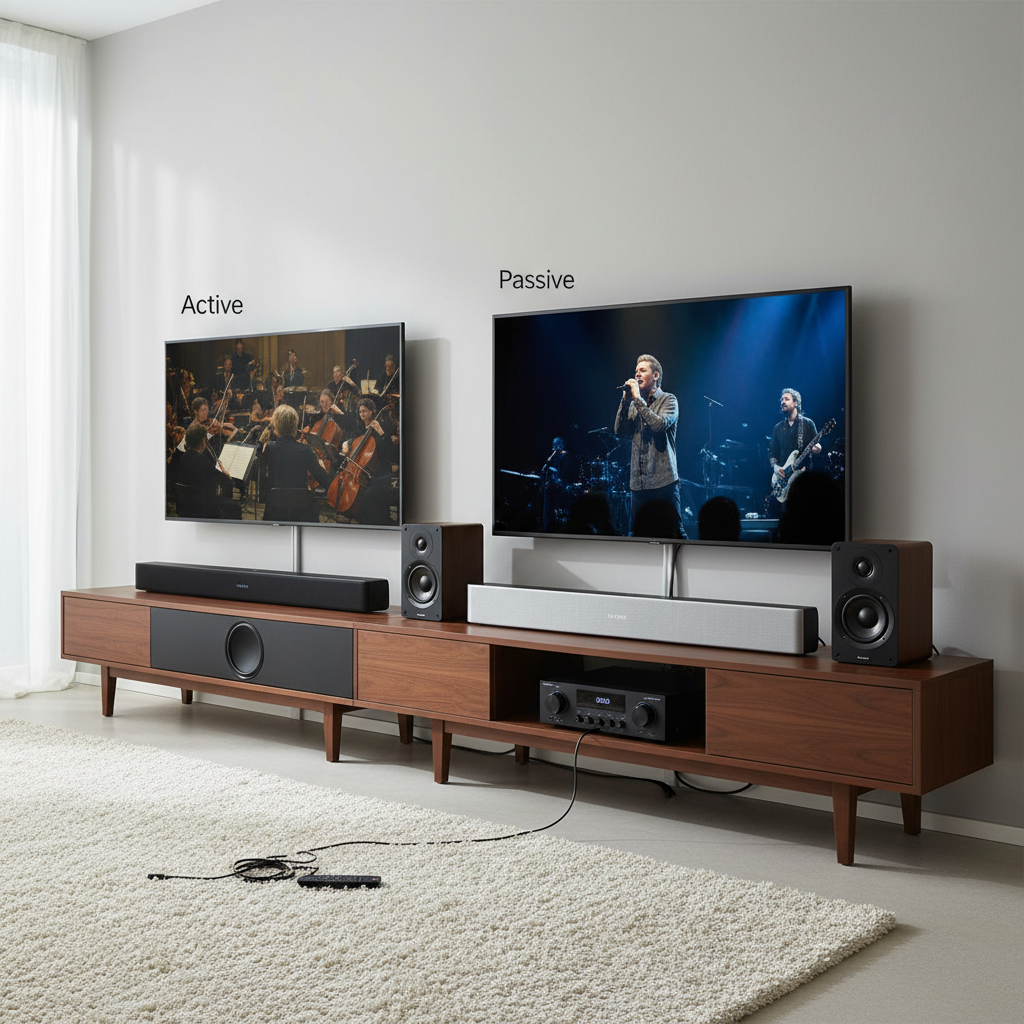
Are you tired of your TV’s built-in speakers delivering flat, uninspiring audio? While modern televisions boast stunning visuals, their sound often falls short, leaving you yearning for a more cinematic experience. This is where a high-quality soundbar system with wireless rear speakers steps in, transforming your living room into an immersive soundstage. It’s the ultimate upgrade for anyone seeking true surround sound without the clutter of traditional wired setups. This guide will walk you through everything you need to know, helping you select the perfect system to unlock unparalleled audio for movies, music, and games.
Understanding Soundbars with Wireless Rear Speakers
Soundbars with wireless rear speakers represent the pinnacle of streamlined home audio, offering a robust sound experience without the tangled mess of cables. These systems integrate multiple components into a cohesive unit designed for seamless operation and superior sound delivery.
What Makes Them Special?
|
Our Picks for the Best Soundbar in 2026
As an Amazon Associate I earn from qualifying purchases.
|
||
| Num | Product | Action |
|---|---|---|
| 1 | ULTIMEA 5.1CH Surround Sound Bar with Subwoofer, Dolby Atmos, VoiceMX, BassMX, APP, 300W Soundbar for Smart TV, Home Theater Surround Sound System for TV, Bluetooth 5.4, Poseidon M60 (2026 Model) |

|
| 2 | Sound Bar for Smart TV, Soundbar with Bluetooth/ARC/Opt/AUX Connect, Auto Volume Boost, 3 Equalizer Modes, 2 in 1 Detachable Soundbar for TV/PC/Gaming/Projectors |
|
| 3 | Samsung B-Series Soundbar HW B400F 2.0 ch Soundbar with Built in Subwoofer (2025 Model) One Remote Control, Surround Sound Expansion, Voice Enhance Mode |
|
| 4 | Sony S100F 2.0ch Soundbar with Bass Reflex Speaker, Integrated Tweeter and Bluetooth, (HTS100F), easy setup, compact, home office use with clear sound black |
|
| 5 | ULTIMEA 2.1ch Surround Sound Bar for TV, Built-in Subwoofer, Peak Power 132W, App Control, 16 Inches Bluetooth 5.4 TV Speakers Soundbar, All-in-one PC Soundbar, Opt/AUX/Wall Mount, Poseidon M20 Pro |
|
| 6 | ULTIMEA Sound Bar with Wireless Subwoofer, 240W Peak Power, VoiceMX & BassMX, App Control, 2.1ch Soundbar for Smart TV, Adjustable Bass, HDMI, Optical, Bluetooth 6.0, Poseidon M30 (2026 Model) |
|
| 7 | Bose TV Speaker - Soundbar for TV with Bluetooth and HDMI-ARC Connectivity, All-in-One Compact Soundbar, Includes Remote Control, Black |
|
| 8 | Sound Bar, 80W SoundBar for Smart TV, Bluetooth 5.3 Soundbars, 2 in 1 Detachable Home Speaker Bass Effect, Home Theater Surround Sound, ARC/Optical/AUX, for TV/PC/Gaming/Projectors (Deep Black) |
|
| 9 | Amazon Fire TV Soundbar, 2.0 speaker with DTS Virtual:X and Dolby Audio, Bluetooth connectivity |
|
| 10 | Sonos Arc Ultra Soundbar with Dolby Atmos and Voice Control - 9.1.4 Surround Sound for TV and Music - Black |
|
At its core, a soundbar system with wireless rear speakers typically consists of three main elements: the soundbar itself, a wireless subwoofer, and two or more wireless satellite speakers positioned at the rear. The “wireless” aspect primarily refers to the audio signal transmission between these components, eliminating the need for long speaker wires running across your room. While each component still requires a power outlet, the absence of speaker cables significantly reduces clutter and simplifies setup. This configuration delivers genuine surround sound, projecting audio from the front, center, and behind you, creating a truly immersive environment. This is a significant leap beyond single soundbars that merely simulate surround effects, or traditional wired systems that demand complex installation.
Channel Configurations Explained
Understanding channel configurations is crucial for appreciating the immersive potential of these systems. The numbers (e.g., 2.1, 5.1, 7.1, 9.1, 11.1.4) indicate the number of audio channels.
- First digit: Refers to the main channels (front left, center, front right, and sometimes side speakers).
- Second digit (.1): Denotes a dedicated subwoofer for low-frequency effects (bass).
- Third digit (.X.4): Indicates upward-firing speakers for height channels, essential for object-based spatial audio formats like Dolby Atmos and DTS:X.
A 5.1 system, for instance, typically includes front left/right, a center, two rear speakers, and a subwoofer. More advanced systems like 7.1.4 or 11.1.4 elevate this by adding more surround channels or height channels, creating a three-dimensional sound field that can make you feel like helicopters are flying overhead or rain is falling from above. These configurations are pivotal for reproducing the intricate soundscapes of modern cinema and gaming.
Key Factors to Consider When Buying
Choosing the ideal soundbar system with wireless rear speakers involves weighing several critical factors that impact performance, usability, and overall satisfaction.
Sound Quality and Immersion
The primary goal of any audio upgrade is superior sound, and soundbars with wireless rear speakers truly deliver.
- Dolby Atmos and DTS:X: These object-based audio formats are game-changers, placing sounds precisely in a 3D space, including overhead. A soundbar system supporting these technologies with dedicated up-firing drivers can create an incredibly realistic and enveloping sound experience.
- Dialogue Clarity: A dedicated center channel within the soundbar is paramount for clear dialogue, ensuring you never miss a whispered line in your favorite movie.
- Bass Performance: The wireless subwoofer is responsible for deep, impactful bass. Look for models with powerful, well-integrated subwoofers that can deliver rumble and thump without distortion.
- Overall Sound Profile: Some systems prioritize booming bass, while others aim for a balanced, nuanced sound. Consider your preferences: do you want a cinematic powerhouse or a versatile system for music and dialogue too?
Connectivity Options
Modern soundbars offer a variety of ways to connect to your TV and other devices.
- HDMI eARC/ARC: This is the gold standard for connectivity. HDMI eARC (Enhanced Audio Return Channel) provides the highest bandwidth, supporting lossless audio formats like Dolby Atmos. It also allows you to control the soundbar’s volume with your TV remote for seamless integration. HDMI ARC (Audio Return Channel) is a common alternative that still simplifies connectivity.
- Optical: A digital optical cable is a good option for older TVs without HDMI ARC, delivering digital audio, though typically without the advanced features of eARC.
- Bluetooth: Essential for wireless music streaming from your smartphone or tablet, offering convenience for casual listening.
- Wi-Fi/Apple AirPlay/Chromecast: These offer higher-fidelity audio streaming compared to Bluetooth, support multi-room audio setups, and can be integrated into smart home ecosystems.
Design, Size, and Room Acoustics
The physical aspects of your soundbar system matter for both aesthetics and performance.
- Matching Soundbar Width to TV: Ideally, your soundbar should be roughly the same width as your TV, or slightly narrower, for a visually balanced setup. A soundbar that is too small for a large TV can look out of place.
- Placement of Rear Speakers and Subwoofer: Wireless rear speakers should generally be placed behind your primary listening position, slightly to the sides, at ear level, for optimal surround effects. The wireless subwoofer offers flexibility in placement, but experimenting with different positions can help you find the sweet spot for bass distribution in your room.
- Impact of Room Size and Layout: Larger rooms benefit from more powerful systems with higher channel counts (e.g., 7.1.4 or 11.1.4) to adequately fill the space. Room acoustics (e.g., hard surfaces, open floor plans) can also affect sound, making features like automatic room calibration highly beneficial.
Ease of Setup and Use
Even the best sound system can be frustrating if it’s difficult to set up or operate. Look for:
- Plug-and-Play Simplicity: Many modern systems are designed for quick and easy setup, often connecting components automatically once powered on.
- App Control: Companion apps offer intuitive control over settings, EQ adjustments, and often include room calibration features that optimize sound for your specific environment.
- Voice Assistant Integration: Some soundbars include built-in voice assistants like Alexa or Google Assistant for hands-free control.
Budget and Value
Soundbars with wireless rear speakers come in a wide range of price points, from budget-friendly options to high-end audiophile systems.
- Entry-Level: You can find decent 5.1 systems that offer a significant upgrade over TV speakers.
- Mid-Range: This segment introduces advanced features like Dolby Atmos, better build quality, and more refined sound.
- Premium: High-end systems boast a high channel count (e.g., 11.1.4), superior drivers, advanced room correction, and often integrate seamlessly into smart home ecosystems, delivering an unparalleled cinematic experience.
Top Soundbar Systems with Wireless Rear Speakers
The market offers a fantastic array of options, each with unique strengths. Here are some of the standout brands and their notable offerings:
Samsung Q-Series (e.g., HW-Q990F, HW-Q930D)
Samsung’s Q-Series soundbars are consistently among the top contenders, renowned for their high channel counts and comprehensive features. Models like the HW-Q990F offer an impressive 11.1.4 channel configuration, delivering full Dolby Atmos and DTS:X support with strong overhead effects. They often feature Q-Symphony, which synchronizes the soundbar with compatible Samsung TV speakers for an even grander soundstage, alongside robust room correction and a redesigned subwoofer for deep bass. The HW-Q930D provides a slightly more affordable premium option, retaining many flagship features with a 9.1.4 channel setup.
LG Soundbar Systems (e.g., S95TR, S90TR)
LG’s flagship soundbars, such as the S95TR and S90TR, are praised for their versatile performance and advanced audio technologies. These systems typically support Dolby Atmos with dedicated height channels and feature AI room calibration to tailor the sound profile to your specific living space. They often offer a balanced sound, ensuring clear dialogue and satisfying bass, making them excellent all-around choices for various content types.
Sonos Immersive Sets (e.g., Arc Ultra with Era 300)
Sonos excels in creating an expandable and user-friendly ecosystem. An “Ultimate Immersive Set” often combines the premium Sonos Arc Ultra soundbar with a Sonos Sub and a pair of Era 300 wireless speakers. While the Arc Ultra itself provides excellent Dolby Atmos effects from a single bar, adding the Era 300s as rears significantly enhances the immersive experience, especially for music and spatial audio. Sonos systems are celebrated for their superb audio quality, robust Wi-Fi streaming, and seamless multi-room capabilities.
JBL Bar Series (e.g., Bar 1300X)
The JBL Bar 1300X stands out with its innovative design featuring completely detachable, battery-powered rear satellites. This unique flexibility allows you to easily place the rear speakers where needed for surround sound and then reattach them to the main bar for charging or a more compact setup. It offers accurate spatial audio and powerful bass, making it a compelling choice for those who value versatility and strong performance.
Other Notable Brands
Other brands also offer compelling soundbar systems with wireless rear speakers:
- Hisense AX5125H: An excellent budget-friendly option, offering impressive Dolby Atmos and DTS:X with truly wireless rear speakers for its price point.
- Sony BRAVIA Theater Bar 9: A versatile 7.1.4 setup with Dolby Atmos support, designed to integrate well within the Sony ecosystem.
- Klipsch Flexus Core 300: Offers a versatile, balanced sound, with the option to expand with wireless subwoofers and surround speakers.
Detailed Comparison Table
| Model | Channels | Dolby Atmos/DTS:X | Key Connectivity | Price Range | Pros | Cons |
|---|---|---|---|---|---|---|
| Samsung HW-Q990F | 11.1.4 | Yes | HDMI eARC, Wi-Fi, BT | Premium | Elite immersion, Q-Symphony, room correction, powerful bass | High price |
| LG S90TR | 7.1.3 | Yes | HDMI eARC, Wi-Fi, BT | Mid-High | Versatile performance, AI room calibration, clear dialogue | May not be as expansive as 11.1.4 systems |
| Sonos Arc Ultra + Era 300 | 7.1.4 (with rears) | Yes | HDMI eARC, Wi-Fi | Premium | Expandable ecosystem, superb music, elegant design | No HDMI passthrough, less immersive as a standalone bar |
| JBL Bar 1300X | 11.1.4 | Yes | HDMI eARC, Wi-Fi, BT | Mid-High | Detachable battery rears, accurate spatial audio, strong bass | Rear speaker battery life, some connectivity quirks |
| Hisense AX5125H | 5.1.2 | Yes | HDMI ARC, BT | Budget-Mid | Exceptional value, effective Atmos/DTS:X, clear dialogue | No calibration, subwoofer can be underwhelming |
Your Ultimate Buying Guide: Finding the Perfect System
Navigating the world of soundbars with wireless rear speakers can seem daunting, but by following a structured approach, you can confidently choose the best system for your home.
Assess Your Space and Needs
Before anything else, consider where your soundbar will live and how you plan to use it.
- Room Size: A small room might be overwhelmed by a massive 11.1.4 system, while a large, open-plan living area needs the power and channels to fill the space effectively.
- Primary Use: Are you a cinephile craving explosive action, a music lover desiring rich stereo, or a gamer seeking pinpoint audio cues? Your primary use case will influence the features to prioritize.
- Aesthetic Preferences: Do you want a discreet setup that blends into your decor, or a statement piece that enhances your entertainment center?
Set a Realistic Budget
Soundbar systems range widely in price. Determine how much you’re willing to invest, keeping in mind that higher price points generally bring more channels, advanced audio formats, better build quality, and more sophisticated room correction features. Remember to factor in potential accessories like wall mounts or speaker stands.
Prioritize Features
With your needs and budget in mind, list the features that are most important to you.
- Is Dolby Atmos a must-have for true cinematic immersion?
- Do you need advanced Wi-Fi streaming capabilities or just Bluetooth?
- Is seamless TV integration (eARC) critical, or can you manage with optical?
- Do you require multi-room audio for a connected home?
Test and Compare
Read expert reviews from reputable sources and compare specifications. If possible, listen to different systems in person. Pay attention to dialogue clarity, bass response, and how well the surround effects are rendered. User reviews can also offer valuable insights into real-world performance and potential quirks.
Installation and Optimization
Even with wireless components, proper setup is key.
- Simple Setup: Most systems are designed for straightforward installation. Follow the manufacturer’s instructions carefully.
- Room Correction: Utilize any included room calibration features. These automatically adjust the soundbar’s output to compensate for your room’s unique acoustics, ensuring the best possible audio experience.
- Placement: Position your rear speakers correctly—behind and slightly to the side of your listening position—for optimal surround effect.
“The true magic of a soundbar system with wireless rear speakers lies in its ability to transport you from your living room directly into the heart of the action, blurring the lines between reality and entertainment.” – John Davis, Home Audio Specialist
Conclusion
Choosing the best soundbar with wireless rear speakers is a significant step towards unlocking a truly captivating home entertainment experience. These systems offer an unparalleled blend of immersive surround sound, reduced cable clutter, and advanced audio technologies like Dolby Atmos, all packaged in a convenient and stylish form factor. By carefully considering factors such as channel configuration, sound quality, connectivity, and your personal budget, you can find a system that not only elevates your audio but also seamlessly integrates into your living space. Say goodbye to mediocre TV sound and hello to cinematic bliss.
Which immersive sound experience are you dreaming of for your next movie night?
Frequently Asked Questions
Are wireless rear speakers truly wireless?
While the term “wireless” implies no cables at all, in most soundbar systems, it refers to the wireless transmission of audio signals between the soundbar, subwoofer, and rear satellite speakers. However, each of these components still requires a power cord to plug into an electrical outlet. This greatly reduces cable clutter compared to traditional wired surround sound systems.
What is Dolby Atmos, and do I need it?
Dolby Atmos is an object-based audio technology that creates a three-dimensional sound experience by adding height channels to the traditional surround sound setup. Sounds can be precisely placed and moved in space, including overhead, making the audio feel incredibly immersive and realistic. If you want the most cinematic and engaging experience for movies, gaming, and compatible music, a soundbar system with Dolby Atmos support is highly recommended.
Can I add wireless rear speakers to any soundbar?
No, you can only add wireless rear speakers to soundbars that are specifically designed to be expandable with satellite speakers. Many soundbars are sold as standalone units or come only with a subwoofer. Always check the product specifications and compatibility to ensure a soundbar can support additional wireless rear speakers.
How do I position wireless rear speakers for the best sound?
For optimal surround sound, wireless rear speakers should typically be placed behind your main listening position, slightly to the left and right, and ideally at ear height when you are seated. Angle them slightly towards the listening area. Experimentation with placement can help you find the sweet spot for your room’s acoustics and personal preference.
Is a soundbar with wireless rear speakers better than a traditional wired surround sound system?
A soundbar system with wireless rear speakers offers superior convenience and reduced clutter compared to a traditional wired surround sound system, as it eliminates long speaker cables. While high-end wired systems might offer slightly more customization and raw power, modern soundbar systems with wireless rears deliver excellent immersive audio, especially with Dolby Atmos/DTS:X support, making them an excellent choice for most home theater enthusiasts seeking a simpler setup.