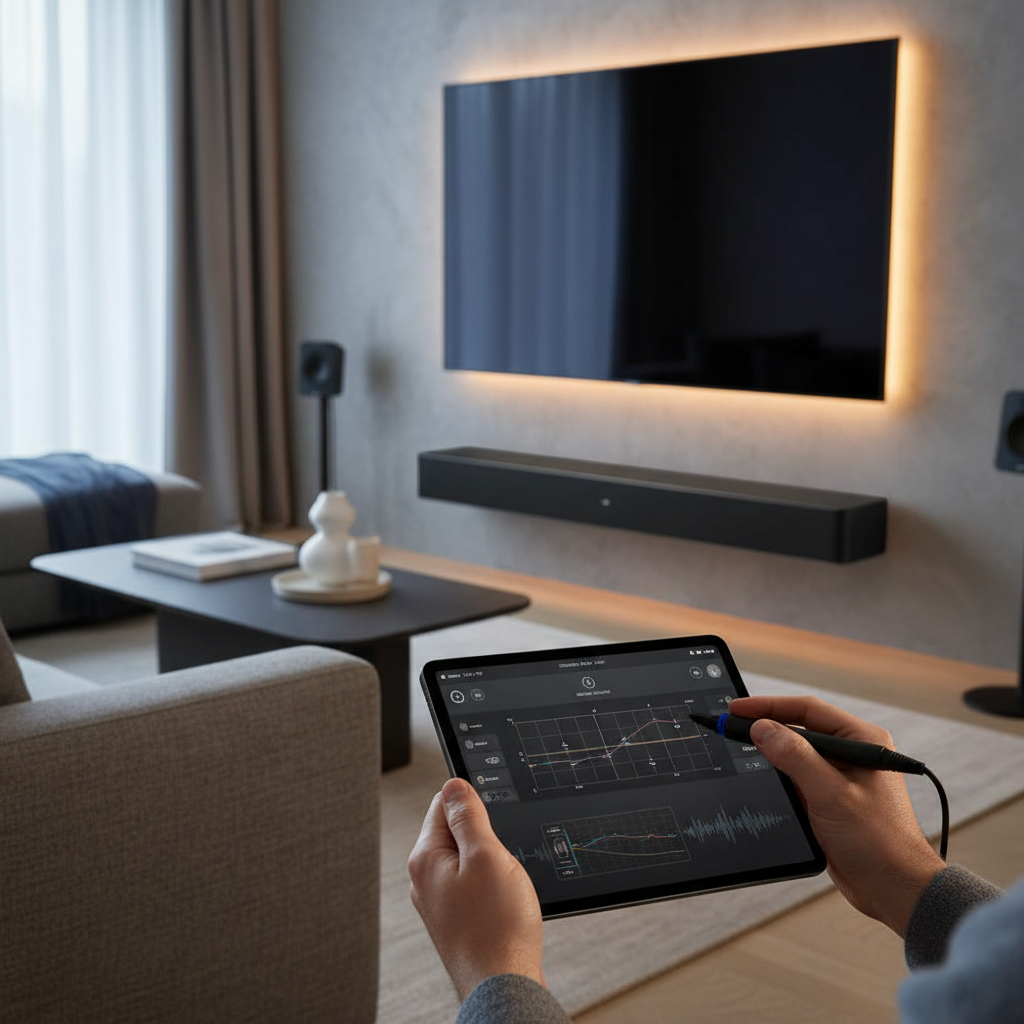
In the dynamic world of home audio, the debate between Sonos and Bose soundbars is a perennial one, often leaving consumers at a crossroads. As we navigate 2026, both brands continue to innovate, offering compelling solutions to elevate your home entertainment. This comprehensive guide delves deep into their flagship and mid-range offerings, dissecting their strengths, weaknesses, and unique philosophies to help you determine which soundbar truly wins for your setup.
Understanding the Contenders: Sonos and Bose Philosophy
Before diving into specific models, it’s crucial to grasp the core philosophies that define Sonos and Bose. Sonos has built its reputation on a robust, user-friendly ecosystem, prioritizing seamless multi-room audio and extensive expandability. Their products are designed to work harmoniously, creating a unified home sound experience that evolves with your needs.
Bose, on the other hand, is synonymous with signature sound—delivering clear, impactful audio often backed by advanced digital signal processing and intuitive controls. While they also offer an ecosystem, Bose often focuses on delivering a premium, immersive experience right out of the box, with a strong emphasis on dialogue clarity and sophisticated room tuning.
Flagship Showdown: Sonos Arc vs. Bose Smart Ultra Soundbar
When it comes to top-tier home theater performance, the Sonos Arc and the Bose Smart Ultra Soundbar stand as prime contenders. Each brings a distinct set of advantages to the table.
Sound Quality and Immersion
|
Our Picks for the Best Soundbar in 2026
As an Amazon Associate I earn from qualifying purchases.
|
||
| Num | Product | Action |
|---|---|---|
| 1 | ULTIMEA 5.1CH Surround Sound Bar with Subwoofer, Dolby Atmos, VoiceMX, BassMX, APP, 300W Soundbar for Smart TV, Home Theater Surround Sound System for TV, Bluetooth 5.4, Poseidon M60 (2026 Model) |

|
| 2 | ULTIMEA Sound Bar with Wireless Subwoofer, 240W Peak Power, VoiceMX & BassMX, App Control, 2.1ch Soundbar for Smart TV, Adjustable Bass, HDMI, Optical, Bluetooth 6.0, Poseidon M30 (2026 Model) |
|
| 3 | Sony S100F 2.0ch Soundbar with Bass Reflex Speaker, Integrated Tweeter and Bluetooth, (HTS100F), easy setup, compact, home office use with clear sound black |
|
| 4 | ULTIMEA 2.1ch Surround Sound Bar for TV, Built-in Subwoofer, Peak Power 132W, App Control, 16 Inches Bluetooth 5.4 TV Speakers Soundbar, All-in-one PC Soundbar, Opt/AUX/Wall Mount, Poseidon M20 Pro |
|
| 5 | Samsung B-Series Soundbar HW B400F 2.0 ch Soundbar with Built in Subwoofer (2025 Model) One Remote Control, Surround Sound Expansion, Voice Enhance Mode |
|
| 6 | Sonos Arc Ultra Soundbar with Dolby Atmos and Voice Control - 9.1.4 Surround Sound for TV and Music - Black |
|
| 7 | Amazon Fire TV Soundbar, 2.0 speaker with DTS Virtual:X and Dolby Audio, Bluetooth connectivity |
|
| 8 | Sound Bar for Smart TV, Soundbar with Bluetooth/ARC/Opt/AUX Connect, Auto Volume Boost, 3 Equalizer Modes, 2 in 1 Detachable Soundbar for TV/PC/Gaming/Projectors |
|
| 9 | Bose TV Speaker - Soundbar for TV with Bluetooth and HDMI-ARC Connectivity, All-in-One Compact Soundbar, Includes Remote Control, Black |
|
| 10 | Sound Bar, 80W SoundBar for Smart TV, Bluetooth 5.3 Soundbars, 2 in 1 Detachable Home Speaker Bass Effect, Home Theater Surround Sound, ARC/Optical/AUX, for TV/PC/Gaming/Projectors (Deep Black) |
|
The Sonos Arc is widely celebrated for its expansive and immersive soundstage, making it a formidable choice for cinematic experiences and gaming. It excels at delivering natural surround sound and boasts superior DTS support, which is often missing in its competitor. Reviewers frequently note the Arc’s refined bass and cinematic depth, contributing to a balanced and dynamic audio profile. Its Dolby Atmos performance is often considered a benchmark, creating a compelling overhead dimension that truly envelops the listener.
The Bose Smart Ultra Soundbar counters with a punchy soundstage and a particular emphasis on mid-range clarity, making it excellent for dialogue-heavy content like TV shows and news. It delivers an expansive sonic presentation with impressive height and width, thanks in part to its dedicated up-firing drivers for Dolby Atmos. However, some reviews suggest that while immersive, the Bose can occasionally sound congested in the midrange and may lack the overall dynamic expression and finesse found in the Arc.
Design and Build Quality
The Sonos Arc presents a larger, premium aesthetic, designed to command attention under bigger TVs. Its sleek, elongated form integrates well into modern living spaces. The Bose Smart Ultra Soundbar typically offers a solid build quality and is often highlighted as a more compact alternative, fitting seamlessly into various setups without sacrificing premium feel.
Connectivity and Smart Features
Connectivity is a key differentiator. The Sonos Arc primarily relies on HDMI eARC, optical (via an adapter), and Ethernet, focusing its intelligence on a robust Wi-Fi-based ecosystem. It features Sonos’ proprietary Trueplay room calibration, which optimizes sound for your specific room acoustics.
The Bose Smart Ultra Soundbar offers similar core connections with HDMI eARC, optical, and Ethernet, but adds the convenience of Bluetooth 5.0 for direct device streaming. It integrates ADAPTiQ room tuning and an AI Dialogue Mode designed to enhance vocal clarity. While Bose offers many smart features out-of-the-box, some sources have flagged potential connectivity issues, which could be a consideration for those prioritizing absolute reliability.
Ecosystem and Expandability
The Sonos ecosystem remains largely unmatched for multi-room audio capabilities and software reliability. Users can effortlessly add a Sonos Sub or Sub Mini and compatible rear surround speakers to create a true 5.1 or even 7.1 home theater system, expanding their audio experience over time. This modular approach provides immense flexibility.
Bose also offers its own robust connectivity ecosystem, allowing for integration with other Bose smart speakers and subwoofers (like the Bass Module 700 or 500) and surround speakers. While comprehensive, Sonos is often cited for its more seamless and extensive multi-room audio network.
Compact Powerhouses: Sonos Beam (Gen 2) vs. Bose Smart Soundbar 600
For those with smaller spaces or a more modest budget who still crave immersive sound, the mid-range offerings are equally compelling.
Audio Performance
The Sonos Beam (Gen 2) shines with a superior stereo soundstage, providing a more immersive feel for general listening. It handles music exceptionally well, delivering balanced and punchy performance with clear vocals across various genres. Crucially, like the Arc, the Beam Gen 2 also supports DTS content, which broadens its compatibility with various media. Its overall performance is often described as musically rich and dynamic.
The Bose Smart Soundbar 600 offers a great level of immersion, particularly for Dolby Atmos content, partly due to its physical overhead channels. It delivers clear audio, though some listeners might find it occasionally lacks the deep bass impact compared to the Beam Gen 2. A significant advantage for the Bose 600 is its built-in Bluetooth connectivity, a feature the Beam Gen 2 lacks.
Features and Usability
The Sonos Beam Gen 2 benefits from the excellent Sonos ecosystem, offering a choice of voice assistants (Amazon Alexa and Google Assistant) and the renowned Sonos app for intuitive control. Its integration into a wider Sonos multi-room setup is a major draw.
The Bose Smart Soundbar 600 also provides easy setup and smart features, including voice assistant support. Its inclusion of Bluetooth makes direct pairing with devices effortless, a convenience factor for many users.
Value
When considering value, the Sonos Beam (Gen 2) often edges out its competitor, primarily due to the strength of its ecosystem benefits and consistent overall audio performance. While the Bose Smart Soundbar 600 offers good value, especially for those prioritizing Bluetooth and immediate Dolby Atmos immersion with physical up-firing speakers, the Beam’s holistic package often comes out ahead in long-term satisfaction for many users.
Key Factors to Consider When Choosing
Selecting the right soundbar is a personal decision based on several critical factors:
Your Primary Use Case
Are you a movie buff craving cinematic immersion, a music lover who prioritizes clarity and dynamics, or someone who mostly watches TV and values crystal-clear dialogue? Your primary use will heavily influence which soundbar’s strengths align best with your needs.
Room Size and Layout
Larger soundbars like the Arc are ideal for spacious living rooms, while compact options like the Beam Gen 2 or Smart Soundbar 600 are better suited for smaller to medium-sized rooms. Room acoustics also play a significant role, where room calibration features can be invaluable.
Existing Smart Home Ecosystem
If you already own other Sonos or Bose products, integrating a new soundbar from the same brand will be seamless, leveraging their respective multi-room capabilities and shared control apps.
Budget and Future Expansion Plans
Determine your initial budget and consider your long-term plans. Both brands allow for system expansion with subwoofers and surround speakers, but the ease and cost of doing so can vary.
“The Sonos Arc still sets a high bar for what a Dolby Atmos soundbar can do, providing excellent sound quality across the board, making it a What Hi-Fi? Hall of Fame entry for good reason.”
Conclusion
In the 2026 soundbar landscape, both Sonos and Bose continue to deliver premium audio experiences, each with a distinct approach. Sonos, with its Arc and Beam Gen 2, often wins for those seeking an expansive, cinematic immersion, a rich musical performance, and the unparalleled flexibility of a multi-room ecosystem. Bose, particularly with its Smart Ultra and Smart Soundbar 600, excels in delivering pristine dialogue clarity, a punchy soundstage, and sophisticated processing, often in a more compact and streamlined package.
Ultimately, the victor in the Sonos vs. Bose debate depends entirely on your individual priorities. Do you prioritize a robust, expandable ecosystem and natural cinematic sound, or is pristine dialogue, sleek design, and convenient Bluetooth connectivity your top priority? Weigh your needs carefully before investing. Which soundbar will elevate your home audio experience in 2026?
Câu Hỏi Thường Gặp
Is Sonos or Bose better for music?
Sonos soundbars, especially the Beam (Gen 2), often offer a more balanced and dynamic music performance, excelling across various genres. Bose models can be more refined but might sometimes lack the bass impact for certain music styles.
Do Sonos and Bose soundbars work with all TVs?
Both Sonos and Bose soundbars primarily connect via HDMI eARC/ARC or Optical. Most modern TVs support these connections. However, ensure your TV has an available eARC port for the best Dolby Atmos experience.
Can I expand my Sonos or Bose soundbar system later?
Yes, both brands offer expandability. Sonos excels here with its robust multi-room ecosystem, allowing easy addition of subwoofers (e.g., Sonos Sub, Sub Mini) and rear surrounds. Bose also offers compatible subwoofers and surround speakers within its ecosystem.
Which brand offers better voice assistant integration?
Both Sonos and Bose soundbars typically support popular voice assistants like Amazon Alexa and Google Assistant. Sonos often allows a choice of assistants, providing flexibility, while Bose integrates them seamlessly into its platform.
What is the main difference in sound philosophy between Sonos and Bose?
Sonos emphasizes a wide, immersive soundstage and a balanced, natural audio profile, often with a focus on cinematic experiences and multi-room music. Bose tends to prioritize clarity, especially for dialogue, with advanced sound processing and a signature punchy sound.