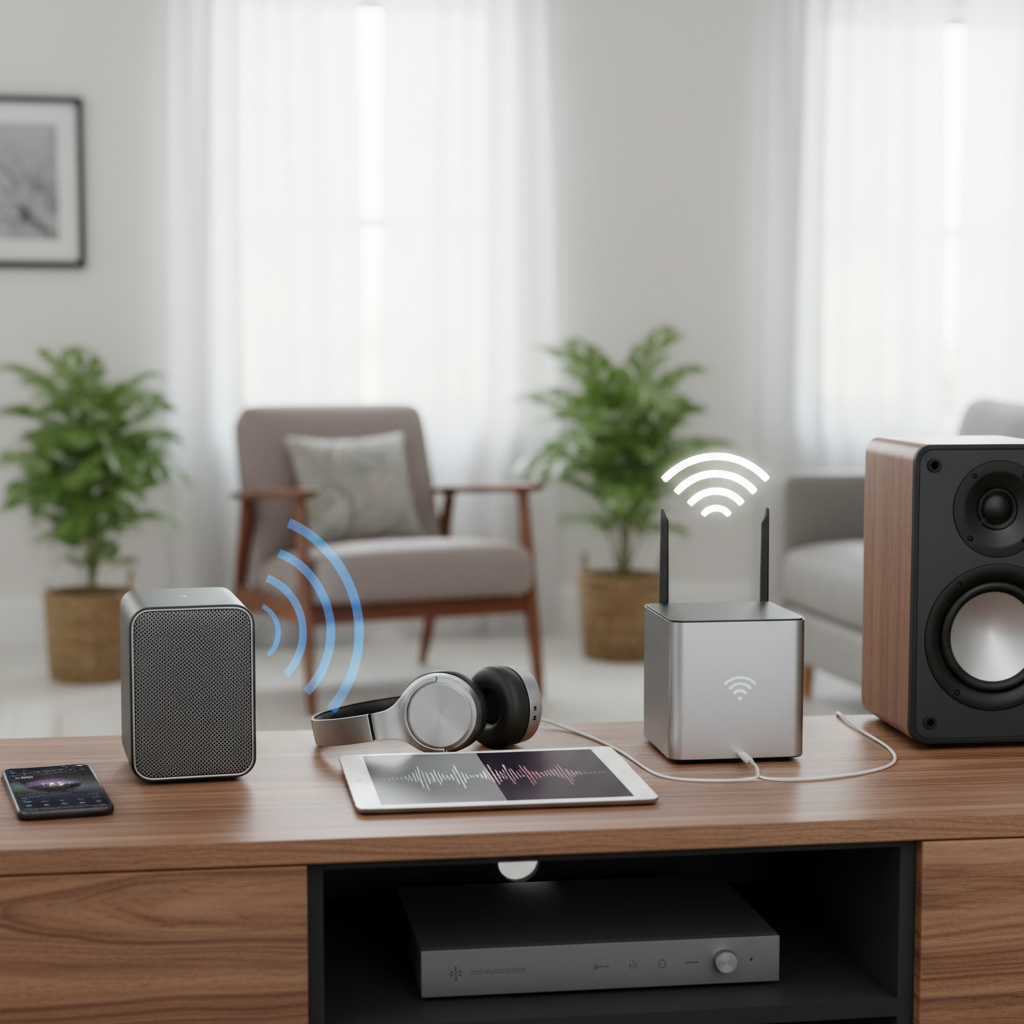
Upgrading your home entertainment system often begins with a crucial decision: how to enhance your TV’s audio. While built-in TV speakers have improved, they rarely deliver the rich, immersive sound that truly brings movies, music, and games to life. This is where soundbars shine, offering a significant audio upgrade in a sleek, compact form factor. But with terms like “2.1” and “5.1” channels frequently appearing, it can be challenging to determine which setup is right for you. This guide will demystify these channel configurations, explore their benefits, and help you navigate the options to find the ideal soundbar for your space and preferences.
Understanding Soundbar Channels: 2.1 vs. 5.1 Explained
The numbers “2.1” and “5.1” refer to the number of audio channels (speakers) and subwoofers in a sound system. The first digit indicates the number of main, full-range speakers, while the “.1” signifies the presence of a dedicated subwoofer for low-frequency effects. Understanding these configurations is key to choosing an audio experience that aligns with your expectations.
Decoding the Numbers
|
Our Picks for the Best Soundbar in 2026
As an Amazon Associate I earn from qualifying purchases.
|
||
| Num | Product | Action |
|---|---|---|
| 1 | Samsung B-Series Soundbar HW B400F 2.0 ch Soundbar with Built in Subwoofer (2025 Model) One Remote Control, Surround Sound Expansion, Voice Enhance Mode |

|
| 2 | ULTIMEA 5.1CH Surround Sound Bar with Subwoofer, Dolby Atmos, VoiceMX, BassMX, APP, 300W Soundbar for Smart TV, Home Theater Surround Sound System for TV, Bluetooth 5.4, Poseidon M60 (2026 Model) |
|
| 3 | Sound Bar for Smart TV, Soundbar with Bluetooth/ARC/Opt/AUX Connect, Auto Volume Boost, 3 Equalizer Modes, 2 in 1 Detachable Soundbar for TV/PC/Gaming/Projectors |
|
| 4 | ULTIMEA 2.1ch Surround Sound Bar for TV, Built-in Subwoofer, Peak Power 132W, App Control, 16 Inches Bluetooth 5.4 TV Speakers Soundbar, All-in-one PC Soundbar, Opt/AUX/Wall Mount, Poseidon M20 Pro |
|
| 5 | Sony S100F 2.0ch Soundbar with Bass Reflex Speaker, Integrated Tweeter and Bluetooth, (HTS100F), easy setup, compact, home office use with clear sound black |
|
| 6 | ULTIMEA Sound Bar with Wireless Subwoofer, 240W Peak Power, VoiceMX & BassMX, App Control, 2.1ch Soundbar for Smart TV, Adjustable Bass, HDMI, Optical, Bluetooth 6.0, Poseidon M30 (2026 Model) |
|
| 7 | Bose TV Speaker - Soundbar for TV with Bluetooth and HDMI-ARC Connectivity, All-in-One Compact Soundbar, Includes Remote Control, Black |
|
| 8 | Sound Bar, 80W SoundBar for Smart TV, Bluetooth 5.3 Soundbars, 2 in 1 Detachable Home Speaker Bass Effect, Home Theater Surround Sound, ARC/Optical/AUX, for TV/PC/Gaming/Projectors (Deep Black) |
|
| 9 | Amazon Fire TV Soundbar, 2.0 speaker with DTS Virtual:X and Dolby Audio, Bluetooth connectivity |
|
| 10 | Sonos Arc Ultra Soundbar with Dolby Atmos and Voice Control - 9.1.4 Surround Sound for TV and Music - Black |
|
In audio systems, the numbers before the decimal point represent the main speakers responsible for different sound frequencies and directions. The digit after the decimal refers to the subwoofer, which handles deep bass frequencies. A higher number of main channels typically translates to a more expansive and immersive soundstage.
How 2.1 Channel Systems Work
A 2.1 channel soundbar system comprises two main speakers – typically a left and a right channel – accompanied by a single subwoofer. The two main speakers deliver stereo sound, providing a clear separation of audio that enhances dialogue and music. The subwoofer takes over the low-frequency effects (LFE), adding depth and impact to explosions, basslines, and dramatic movie scores that standard TV speakers simply cannot reproduce. This configuration offers a balanced audio experience, significantly improving upon basic TV sound.
How 5.1 Channel Systems Work
Stepping up to a 5.1 channel soundbar system introduces a more complex and immersive audio landscape. This setup includes five main speakers: front left, center, front right, and two surround speakers (left and right), plus a subwoofer. The dedicated center channel is crucial for dialogue clarity, ensuring voices are crisp and anchored to the screen, even amidst chaotic action scenes. The two surround speakers, typically placed behind or to the sides of the listener, create a truly directional audio experience, enveloping you in sound. This multi-channel approach is the gold standard for home theater, mimicking the sonic environment of a cinema.
Common Soundbar Types and Their Configurations
Soundbars come in various forms, each designed to cater to different needs and room setups. Understanding these types helps in appreciating how 2.1 and 5.1 channel systems are implemented.
Single Soundbars
While the term “single soundbar” might suggest a 2.0 (two-channel, no subwoofer) setup, many modern single soundbars incorporate advanced technologies to simulate wider soundstages or even virtual surround sound. These bars typically house multiple drivers to handle left, right, and sometimes even a virtual center channel. Some high-end single soundbars can even simulate height effects for formats like Dolby Atmos without additional speakers, reflecting sound off walls and ceilings. However, a single bar alone usually cannot deliver the discrete, true surround experience of a system with separate rear speakers.
Soundbars with Subwoofers (2.1)
This is perhaps the most popular soundbar configuration for general home use. A 2.1 soundbar typically integrates the left and right speakers within the main bar unit and comes with a separate, often wireless, subwoofer. This combination provides a noticeable boost in bass performance and overall audio richness. It’s an excellent choice for smaller to medium-sized rooms where space is a premium, or for users primarily focused on music listening and casual TV viewing. The setup is generally straightforward, offering a plug-and-play experience.
Soundbars with Subwoofers and Rear Speakers (5.1)
For those seeking a full, cinematic audio experience, 5.1 soundbar systems are the way to go. These systems usually consist of a main soundbar unit (housing front left, center, and front right channels), a wireless subwoofer, and two additional wireless (or sometimes wired) satellite speakers for the surround left and surround right channels. This setup creates a genuinely immersive sound field, allowing sound effects to move around you, from explosions behind to whispers at your side. The inclusion of physical rear speakers provides a tangible sense of depth and direction that virtual surround sound often struggles to replicate.
Key Factors to Consider When Buying a Soundbar
Choosing between a 2.1 and 5.1 soundbar involves weighing several factors, from your listening habits to your living space.
Audio Quality: Stereo vs. Surround Immersion
At its core, the choice hinges on your desired audio quality and immersion level. A 2.1 system provides a robust stereo experience with enhanced bass, perfect for elevating everyday TV viewing, listening to music, or improving gaming audio without overcomplication. Dialogue is clearer, and music gains noticeable depth.
In contrast, a 5.1 system is designed for true surround sound, offering a multi-dimensional audio experience that places you right in the heart of the action. The dedicated center channel ensures dialogue remains intelligible, while the discrete rear channels deliver spatial effects, making it ideal for movies, cinematic TV shows, and immersive gaming.
“For unparalleled immersion in movies and gaming, a true 5.1 system with physical rear speakers offers benefits that virtual solutions simply can’t match.” – John Smith, Audio Engineer at SoundTech Innovations
Connectivity Options
Modern soundbars offer a variety of connectivity options to integrate seamlessly with your existing devices. Common connections include:
- HDMI ARC/eARC: Essential for connecting to your TV, allowing audio to be sent from the TV to the soundbar and enabling control with a single remote. eARC (enhanced Audio Return Channel) supports higher bandwidth and advanced audio formats like Dolby Atmos.
- Optical (TOSLINK): A reliable digital audio connection, good for older TVs that lack HDMI ARC.
- Bluetooth: For wirelessly streaming music from smartphones, tablets, or computers.
- Wi-Fi/Ethernet: Enables network features like multi-room audio, streaming services (Spotify Connect, AirPlay 2), and firmware updates.
- USB: For playing audio files directly from a USB drive.
Ensure the soundbar you choose has the necessary ports to connect to your TV and other desired sources.
Size and Design Aesthetics
Soundbars are celebrated for their minimalistic design, but their physical size can vary. Consider the dimensions of your TV and your entertainment console. A soundbar should ideally be no wider than your TV for a visually cohesive look. For 5.1 systems, also factor in the placement of the rear satellite speakers – do you have suitable spots for them, and are you comfortable with the additional wiring (even if wireless, they still need power)?
Room Size and Layout
The size and acoustics of your room play a significant role in determining the effectiveness of a soundbar system.
- Small to Medium Rooms (e.g., bedrooms, small living areas): A 2.1 soundbar is often perfectly adequate. Its compact nature fits well, and the enhanced stereo sound will noticeably improve the audio quality without overwhelming the space.
- Medium to Large Rooms (e.g., main living rooms, dedicated home theaters): A 5.1 system truly shines here. The wider soundstage and discrete surround channels can fill a larger room, creating a more enveloping and realistic audio experience. In smaller rooms, the effect of surround speakers might be less pronounced due to proximity and acoustic challenges.
Budget Considerations
Unsurprisingly, the channel configuration often correlates with price.
- 2.1 Soundbars: Generally more affordable, offering excellent value for a significant audio upgrade over TV speakers. They are a cost-effective solution for those on a tighter budget.
- 5.1 Soundbars: Typically command a higher price due to the additional speakers and advanced processing required to deliver true surround sound. While a larger investment, many enthusiasts find the immersive experience well worth the cost.
Comparing Popular Soundbar Brands
The soundbar market is competitive, with numerous reputable brands offering a wide range of models.
Sony
Sony soundbars are known for their strong audio processing and often incorporate proprietary technologies like “Vertical Surround Engine” to create virtual height and surround effects. Their models range from budget-friendly 2.1 systems to premium 5.1 and even higher-channel setups with robust subwoofers and advanced connectivity like HDMI eARC. Sony often emphasizes a balanced sound profile suitable for both movies and music.
Samsung
Samsung is a major player, often integrating its soundbars seamlessly with Samsung TVs. Many of their soundbars, especially in the Q-Series, offer strong Dolby Atmos and DTS:X support, even in 5.1 or higher configurations. They frequently come with wireless subwoofers and offer optional wireless rear speakers to build out a true surround system. Samsung soundbars are often praised for their powerful bass and clear dialogue.
Bose
Bose focuses on premium audio quality and sleek, minimalistic designs. Their soundbars, while sometimes pricier, deliver exceptional sound performance with clear vocals and impressive bass, even from compact units. While some Bose soundbars start as 2.0 or 3.0 setups, they often offer expandability with optional wireless subwoofers and surround speakers to create a 2.1 or 5.1 system.
LG
LG soundbars are popular for their competitive pricing and strong feature sets, often including Dolby Atmos and DTS:X support across various price points. They frequently partner with Meridian Audio for sound tuning, aiming for a natural and immersive audio experience. Like other brands, LG offers a spectrum of products from simple 2.1 systems to expansive 5.1.2 or even 7.1.4 configurations with wireless rear speakers.
Other Notable Brands (Yamaha, Sonos, JBL)
- Yamaha: A long-standing audio brand, Yamaha is known for its “sound projector” technology, which uses multiple beam-forming drivers to create realistic virtual surround sound from a single bar. They offer excellent 2.1 and virtual 5.1 options, often with good musicality.
- Sonos: Renowned for its multi-room audio ecosystem, Sonos soundbars (like the Arc and Beam) offer exceptional sound quality and smart features. While their core soundbars are often 3.0 or 5.0, they can be easily expanded into 2.1 or 5.1 systems by adding a Sonos Sub and dedicated Sonos rear speakers, all integrated wirelessly.
- JBL: JBL soundbars typically offer powerful sound with a focus on dynamic bass and clear audio, reflecting their heritage in professional audio. They provide a range of 2.1 and 5.1 systems, often with detachable wireless surround speakers for flexibility.
Detailed Comparison Table: Top 2.1 and 5.1 Soundbars
| Feature | Vizio M Series 2.1 Soundbar (2.1) | Samsung HW-Q700B (3.1.2, expandable to 5.1.2) | LG SL5Y (2.1) | Samsung HW-Q990F (11.1.4, full 5.1.4+ system) |
|---|---|---|---|---|
| Configuration | 2.1 Channels (Bar + Subwoofer) | 3.1.2 Channels (Bar + Subwoofer) | 2.1 Channels (Bar + Subwoofer) | 11.1.4 Channels (Bar + Sub + Rears) |
| Sound Quality | Enhanced stereo, strong bass | Immersive, virtual Atmos | Good stereo, clear dialogue | True Dolby Atmos/DTS:X, ultimate immersion |
| Subwoofer | Wireless | Wireless | Wireless | Wireless |
| Rear Speakers | No (fixed 2.1) | Optional wireless rear speakers | No (fixed 2.1) | Included (wireless) |
| Dolby Atmos/DTS:X | No | Yes (virtual/up-firing) | No | Yes (true up-firing and surround) |
| Connectivity | HDMI ARC, Optical, Bluetooth | HDMI eARC, Optical, Bluetooth, Wi-Fi | HDMI ARC, Optical, Bluetooth | HDMI eARC, Optical, Bluetooth, Wi-Fi |
| Ideal for | Small rooms, music, casual TV | Medium rooms, movies, gaming | Small rooms, budget-friendly upgrade | Large rooms, home theater enthusiasts, gamers |
| Setup Complexity | Easy | Moderate (can expand) | Easy | More complex (multiple components) |
Your Essential Soundbar Buying Guide
Making the right soundbar choice can transform your home entertainment. Follow these steps to ensure you pick the perfect system.
Defining Your Usage Needs
Before anything else, consider how you’ll primarily use your soundbar.
- Movies and Gaming: If you crave cinematic explosions, clear dialogue, and being enveloped in game soundscapes, a 5.1 system (or even higher) with discrete rear channels is paramount.
- Music Listening: For pure music enjoyment, a high-quality 2.1 system with a good subwoofer can deliver excellent stereo separation and rich bass. Some audiophiles even prefer dedicated 2.1 setups for their musicality.
- Casual TV Viewing: If your main goal is simply to improve dialogue clarity and add more fullness to everyday TV shows, a solid 2.1 soundbar will be a dramatic improvement over your TV’s built-in speakers.
Setting a Realistic Budget
Soundbar prices vary widely, so establishing a budget upfront will help narrow your options. Remember that a 5.1 system will generally cost more than a 2.1 system due to the increased number of components and advanced processing. Don’t forget to factor in potential additional costs for cables or mounting hardware.
Research and Comparison Best Practices
- Read Reviews: Consult independent expert reviews and user testimonials for insights into real-world performance. Look for mentions of dialogue clarity, bass response, and overall soundstage.
- Compare Specifications: Pay attention to power output, frequency response, and connectivity options. Higher wattage often means more headroom for louder, clearer sound, and a wider frequency response can indicate richer audio.
- Listen in Person (if possible): While online research is valuable, nothing beats hearing a soundbar in action. Visit electronics stores to compare sound quality firsthand. Pay attention to how different systems reproduce dialogue, music, and sound effects.
Purchasing and Installation Tips
- Choose a Reputable Retailer: Buy from trusted stores that offer good warranties and return policies.
- Consider Installation: 2.1 soundbars are generally plug-and-play. For 5.1 systems with rear speakers, plan their placement carefully to ensure optimal sound dispersion and minimal cable clutter (even wireless rears need power outlets). Many modern soundbars offer automatic room calibration features to optimize sound for your specific environment.
Conclusion
The choice between a 2.1 and 5.1 channel soundbar ultimately comes down to your personal priorities, living space, and budget. A 2.1 system offers a fantastic upgrade for enhanced stereo sound and impactful bass, ideal for smaller rooms and general entertainment. For those who desire a truly immersive, cinematic experience with directional audio and crystal-clear dialogue, a 5.1 system with its discrete surround channels is the superior choice. Whichever you choose, investing in a quality soundbar will undoubtedly elevate your home entertainment, transforming mundane audio into a captivating sonic adventure.
What kind of cinematic moments are you most looking forward to enhancing with your new soundbar?
Frequently Asked Questions
Can a 2.1 soundbar simulate surround sound?
Yes, many 2.1 soundbars employ virtual surround sound technologies (like DTS Virtual:X or Dolby Audio) to create a wider soundstage and give the impression of sound coming from different directions. However, these are simulations and typically cannot replicate the discrete, accurate directional effects of a true 5.1 system with physical rear speakers.
Is a 5.1 soundbar always better than a 2.1 soundbar?
Not necessarily. While a 5.1 system generally offers a more immersive experience for movies and gaming due to true surround sound, a high-quality 2.1 system might be better suited for smaller rooms, budget-conscious buyers, or those who prioritize music listening. The “best” choice depends heavily on individual needs and environment.
Do I need a specific TV to use a 5.1 soundbar?
Most modern TVs are compatible with 5.1 soundbars via HDMI ARC/eARC or optical audio. For the best experience and to take advantage of advanced audio formats like Dolby Atmos, your TV should ideally support HDMI eARC, which allows for higher bandwidth audio transmission.