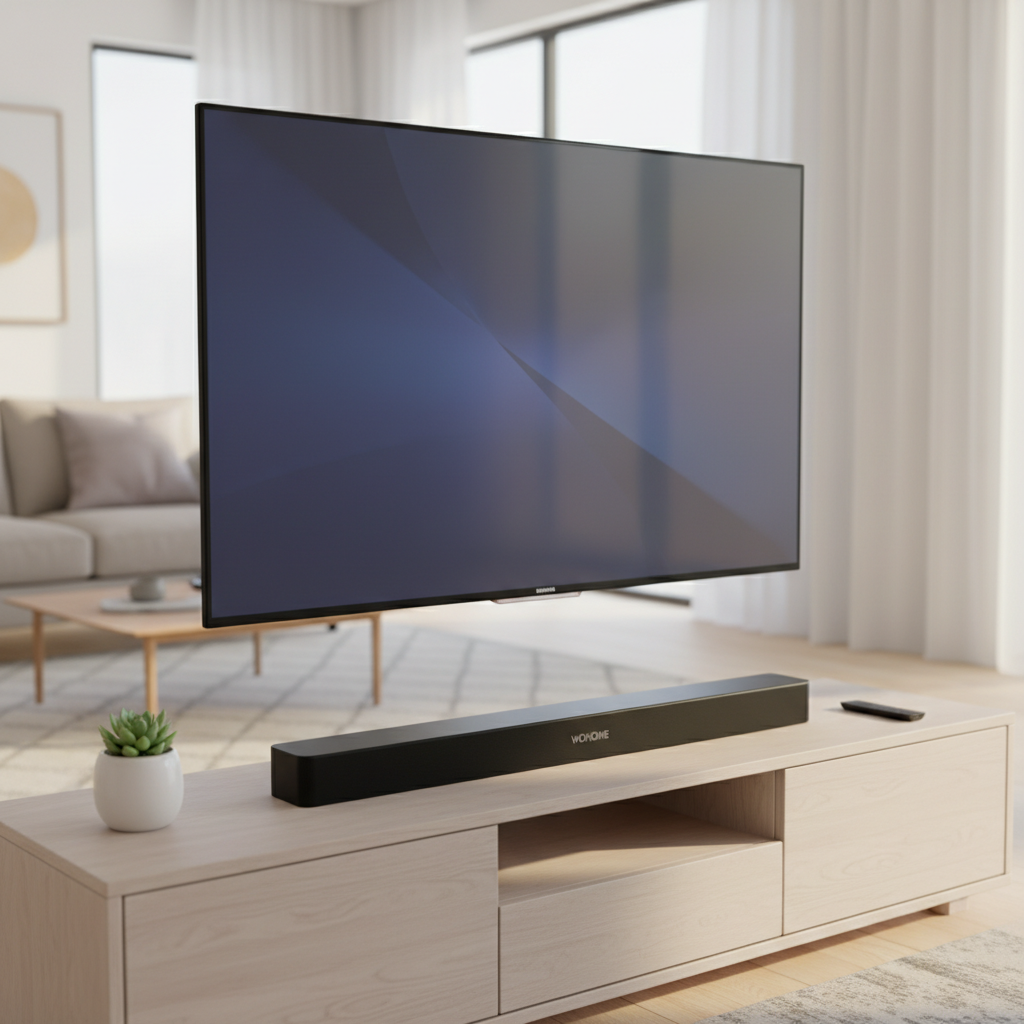
Ever found yourself constantly adjusting the volume during a late-night movie, struggling to hear dialogue one moment and then jumping out of your skin from an explosive sound effect the next? You’re not alone. The quest for immersive home audio often clashes with the need for a peaceful environment, especially in shared living spaces or late at night. This common dilemma is precisely where the “Night Mode” feature in soundbars shines, offering a sophisticated solution to enjoy your entertainment without disturbing others.
This comprehensive guide will delve into what Night Mode truly entails, its unparalleled benefits, and the crucial factors to consider when selecting a soundbar equipped with this essential feature. We’ll explore top soundbar recommendations that excel in providing an undisturbed, high-quality audio experience, ensuring your entertainment remains captivating yet considerate.
What is Night Mode and Why Do You Need It?
Night Mode on a soundbar is far more intelligent than simply lowering the volume. It’s a specialized audio processing feature designed to drastically reduce the dynamic range of sound, meaning it compresses the difference between the loudest and quietest sounds. This innovative technology ensures that soft dialogue remains audible, while sudden loud bursts – like explosions or dramatic musical scores – are significantly attenuated. Simultaneously, Night Mode often reduces the intensity of bass frequencies, preventing deep rumbles from traveling through walls and disturbing sleeping family members or neighbors.
The primary benefit of Night Mode is the ability to enjoy films, TV shows, and games at lower overall volumes without missing critical dialogue or experiencing jarring audio spikes. It creates a more consistent and manageable listening experience, making it ideal for:
- Late-night viewing: Watch your favorite content without guilt.
- Shared living spaces: Keep noise contained within your immediate area.
- Enhancing dialogue clarity: By leveling out the sound, voices become more prominent and easier to understand, even at low volumes.
- Maintaining a balanced sound profile: Unlike manual volume reduction, Night Mode intelligently adjusts different frequencies to preserve audio integrity.
Without Night Mode, simply turning down the volume often renders dialogue inaudible while still allowing loud effects to punch through, making for a frustrating and disruptive experience. Night Mode provides an elegant balance, prioritizing clarity and quiet.
Key Features to Look for in a Night Mode Soundbar
When selecting a soundbar with a Night Mode feature, it’s essential to look beyond the basic inclusion and consider the effectiveness of its implementation and other complementary functionalities.
Effective Night Mode Implementation
|
Our Picks for the Best Soundbar in 2026
As an Amazon Associate I earn from qualifying purchases.
|
||
| Num | Product | Action |
|---|---|---|
| 1 | Sound Bar for Smart TV, Soundbar with Bluetooth/ARC/Opt/AUX Connect, Auto Volume Boost, 3 Equalizer Modes, 2 in 1 Detachable Soundbar for TV/PC/Gaming/Projectors |

|
| 2 | Bose TV Speaker - Soundbar for TV with Bluetooth and HDMI-ARC Connectivity, All-in-One Compact Soundbar, Includes Remote Control, Black |
|
| 3 | Sony S100F 2.0ch Soundbar with Bass Reflex Speaker, Integrated Tweeter and Bluetooth, (HTS100F), easy setup, compact, home office use with clear sound black |
|
| 4 | ULTIMEA 5.1CH Surround Sound Bar with Subwoofer, Dolby Atmos, VoiceMX, BassMX, APP, 300W Soundbar for Smart TV, Home Theater Surround Sound System for TV, Bluetooth 5.4, Poseidon M60 (2026 Model) |
|
| 5 | ULTIMEA Sound Bar with Wireless Subwoofer, 240W Peak Power, VoiceMX & BassMX, App Control, 2.1ch Soundbar for Smart TV, Adjustable Bass, HDMI, Optical, Bluetooth 6.0, Poseidon M30 (2026 Model) |
|
| 6 | Sound Bar, 80W SoundBar for Smart TV, Bluetooth 5.3 Soundbars, 2 in 1 Detachable Home Speaker Bass Effect, Home Theater Surround Sound, ARC/Optical/AUX, for TV/PC/Gaming/Projectors (Deep Black) |
|
| 7 | Amazon Fire TV Soundbar, 2.0 speaker with DTS Virtual:X and Dolby Audio, Bluetooth connectivity |
|
| 8 | Samsung B-Series Soundbar HW B400F 2.0 ch Soundbar with Built in Subwoofer (2025 Model) One Remote Control, Surround Sound Expansion, Voice Enhance Mode |
|
| 9 | ULTIMEA 2.1ch Surround Sound Bar for TV, Built-in Subwoofer, Peak Power 132W, App Control, 16 Inches Bluetooth 5.4 TV Speakers Soundbar, All-in-one PC Soundbar, Opt/AUX/Wall Mount, Poseidon M20 Pro |
|
| 10 | Sonos Arc Ultra Soundbar with Dolby Atmos and Voice Control - 9.1.4 Surround Sound for TV and Music - Black |
|
A truly effective Night Mode should deliver noticeable dynamic range compression and bass attenuation without making the audio sound flat or unnatural. Some soundbars offer adjustable levels of Night Mode, allowing you to fine-tune its intensity based on your environment and preferences. Look for reviews that specifically praise the soundbar’s ability to maintain clear dialogue and reduce startling loud effects.
Dialogue Enhancement
Often paired with Night Mode, dedicated dialogue enhancement features are crucial for ensuring vocal clarity at low volumes. Features like “Voice Enhance,” “Speech Enhancement,” or “AI Dialogue” actively boost the frequencies associated with human speech, ensuring that conversations are always front and center, even when the overall soundscape is subdued. These work hand-in-hand with Night Mode to provide an optimal quiet listening experience.
Connectivity Options
Modern soundbars offer a variety of connectivity options that enhance convenience and audio quality.
- HDMI eARC/ARC: This is the preferred connection, allowing for high-bandwidth audio transfer (including immersive formats like Dolby Atmos) and seamless control of the soundbar via your TV remote.
- Optical: A reliable digital audio connection, good for older TVs.
- Bluetooth: Essential for wirelessly streaming music from your smartphone or other devices.
- Wi-Fi: Enables multi-room audio, high-resolution streaming, and integration with smart home ecosystems or voice assistants.
Sound Customization
The ability to customize your sound profile is invaluable. Look for soundbars that offer:
- EQ controls: Graphic equalizers allow you to adjust specific frequency bands to tailor the sound to your room acoustics or personal taste.
- Preset sound modes: Beyond Night Mode, various modes like “Movie,” “Music,” “Game,” or “Standard” can optimize audio for different content types.
- App control: Many high-end soundbars feature companion apps that provide intuitive control over settings, EQ, and sound modes directly from your smartphone.
System Configuration
The type of soundbar system you choose can also impact how Night Mode performs:
- Single Soundbars: Compact and ideal for smaller spaces or minimalist setups. Night Mode here helps manage the internal bass drivers more effectively.
- Soundbars with Subwoofers: A dedicated wireless subwoofer adds significant depth to your audio. For these systems, Night Mode is especially vital to rein in the subwoofer’s power, preventing overwhelming bass from disturbing others.
- Multi-channel Systems (e.g., 5.1.2 or 7.1.4): These systems, often with rear speakers and up-firing drivers for immersive sound, benefit immensely from Night Mode. It allows you to enjoy a sense of spatial audio without the full dynamic impact, making them versatile for both loud cinematic experiences and quiet late-night sessions.
Design and Footprint
Consider the size and aesthetic of the soundbar. If it’s for a bedroom or a small living space, a compact and sleek design might be preferred. Ensure it fits comfortably under your TV or can be discreetly wall-mounted.
Top Soundbar Recommendations with Night Mode Feature
Several brands stand out for their excellent implementation of Night Mode and related features.
Samsung Soundbars
Samsung offers a strong lineup of soundbars known for their robust feature sets, often including dedicated Night Mode and Voice Enhance functions.
- Strengths: Their premium Q-Series soundbars (e.g., HW-Q990F, HW-Q930D, HW-QS700F) typically boast multi-channel configurations with dedicated center channels, ensuring pristine dialogue. Night Mode effectively tames their powerful subwoofers and dynamic range for quiet listening. Voice Enhance provides an additional layer of clarity.
- Considerations: Higher-end models can be a significant investment, but offer a comprehensive audio package.
Sonos Soundbars
Sonos soundbars are celebrated for their seamless integration into multi-room ecosystems and user-friendly app control, which includes an effective Night Mode and Speech Enhancement feature.
- Strengths: Models like the Sonos Arc Ultra and Sonos Beam (Gen 2) offer a well-implemented Night Mode that reduces dynamics and bass, ensuring sound travels less readily between rooms. Their Speech Enhancement feature further projects dialogue, making it highly intelligible. The Sonos app provides intuitive control over these settings.
- Considerations: Sonos products can be on the pricier side, and full functionality is often tied to their proprietary app.
JBL Soundbars
JBL soundbars frequently focus on powerful sound and clarity, with some models incorporating features that serve the purpose of quiet listening.
- Strengths: Soundbars like the JBL SB560 and JBL Bar 300MK2 emphasize voice clarity and offer controlled bass, which is beneficial for low-volume listening. While they may not always explicitly label it “Night Mode,” their sound profiles and dedicated voice-centric adjustments achieve similar results.
- Considerations: Feature sets might be more streamlined compared to premium offerings from Samsung or Sonos, but they often provide excellent value.
Sony Soundbars
Sony soundbars often prioritize a balanced sound profile and speech clarity, making them suitable candidates for environments where quiet listening is key.
- Strengths: Models such as the Sony HT-S20R are designed to enhance speech clarity, delivering a balanced sound even at lower volumes. While not always marketed as a specific “Night Mode,” their focus on clear dialogue and controlled output serves a similar purpose for late-night viewing.
- Considerations: More basic models might lack the extensive customization found in higher-end systems.
Bose Smart Ultra Soundbar
Bose is synonymous with premium audio, and their Smart Ultra Soundbar offers an “AI Dialogue” feature that dynamically adjusts dialogue for improved clarity, akin to the benefits of Night Mode and Voice Enhance.
- Strengths: This soundbar delivers impressive sound quality for both movies and music. The AI Dialogue feature intelligently processes spoken content to make it stand out, even at lower listening levels, preventing the need for constant volume adjustments.
- Considerations: While it might not have an identically named “Night Mode,” its AI Dialogue serves a very similar function for quiet, clear listening. It is a premium-priced single soundbar solution.
| Model/Brand | Night Mode Feature | Dialogue Enhancement | Configuration | Key Benefit |
|---|---|---|---|---|
| Samsung Q-Series | Yes (Dedicated) | Yes (Voice Enhance) | Multi-channel | Comprehensive audio control, powerful bass management |
| Sonos Arc/Beam | Yes (Dedicated) | Yes (Speech Enh.) | Single/Sub | Intuitive app control, clear dialogue |
| JBL (Select Models) | Often implicit | Yes (Voice focus) | Single/Sub | Strong voice clarity, good value |
| Sony (Select Models) | Focus on clarity | Yes (Speech clarity) | Single/Sub | Balanced sound, good for dialogue-heavy content |
| Bose Smart Ultra | Via AI Dialogue | Yes (AI Dialogue) | Single Soundbar | Intelligent dialogue adjustment, premium sound |
Your Ultimate Buying Guide for a Soundbar with Night Mode
Choosing the perfect soundbar with Night Mode involves a thoughtful evaluation of your personal needs, budget, and desired features.
Step 1: Define Your Viewing Habits and Space
Consider how and where you’ll be using the soundbar. Are you a late-night movie enthusiast who wants to immerse yourself without waking the household? A gamer who needs clear audio cues without disturbing roommates? Or simply someone in an apartment who needs respectful volume levels? Your room size also plays a role; a compact soundbar might suffice for a bedroom, while a more powerful system might be desired for a larger living room.
Step 2: Set a Realistic Budget
Soundbars range widely in price, from entry-level options that offer basic Night Mode functionality to premium systems with advanced audio processing and multi-speaker setups. Determine how much you’re willing to invest, keeping in mind that higher price points often bring more refined Night Mode implementations, better overall sound quality, and additional features.
Step 3: Check for Essential Features
Prioritize Night Mode and any complementary dialogue enhancement features. Ensure the soundbar offers the connectivity options you need for your TV and other devices (HDMI eARC/ARC is highly recommended). If you value customization, look for EQ controls or intuitive app integration. For systems with subwoofers, confirm Night Mode specifically addresses bass attenuation.
Step 4: Read Reviews and Test
Before making a final decision, consult expert reviews from reputable audio publications and user feedback. Pay close attention to comments specifically regarding the effectiveness of the soundbar’s Night Mode and dialogue clarity. If possible, visit a local electronics store to demo soundbars and experience their Night Mode firsthand, although simulating a quiet home environment can be challenging.
Step 5: Consider Expandability and Ecosystem
Think about your future audio needs. Do you plan to expand your setup with wireless rear speakers for true surround sound down the line? If so, choose a system that offers expandability. Also, consider how the soundbar integrates with your existing smart home ecosystem or preferred voice assistant.
Conclusion
The Night Mode feature in soundbars is a game-changer for anyone seeking a harmonious home audio experience. It intelligently bridges the gap between thrilling, immersive sound and the need for quiet, considerate listening. By understanding what Night Mode does, identifying key features, and exploring the top soundbar options available, you can confidently select a system that transforms your late-night entertainment into a peaceful and enjoyable experience. No longer will you have to compromise between crystal-clear dialogue and maintaining household tranquility. Embrace the power of Night Mode and rediscover your favorite content, undisturbed.
Which feature of a soundbar do you find most crucial for your home entertainment?
Frequently Asked Questions
How does Night Mode on a soundbar specifically reduce bass?
Night Mode typically employs dynamic compression and bass attenuation. It processes audio signals to reduce the intensity of low-frequency sounds, making them less impactful and less likely to travel through walls, without eliminating them entirely. This ensures a balanced sound profile that is less disruptive.
Is Night Mode the same as a dialogue enhancement feature?
While related and often found together, Night Mode and dialogue enhancement are distinct. Night Mode primarily reduces the overall dynamic range and bass for quiet listening, whereas dialogue enhancement specifically boosts the clarity and prominence of vocal frequencies, making speech easier to understand at any volume.
Do all soundbars have a Night Mode?
No, not all soundbars include a dedicated Night Mode. It is typically found in mid-range to premium soundbar models, as it requires specific audio processing capabilities. Always check the product specifications and feature list to confirm its inclusion.
Will Night Mode degrade the overall sound quality?
Night Mode alters the sound profile by compressing dynamic range and reducing bass, which is an intentional adjustment for quiet listening. While it may make the audio sound less “cinematic” or “dynamic” compared to a full-volume, uncompressed experience, it is designed to optimize clarity and prevent disturbance rather than degrade the audio quality for its intended purpose.